
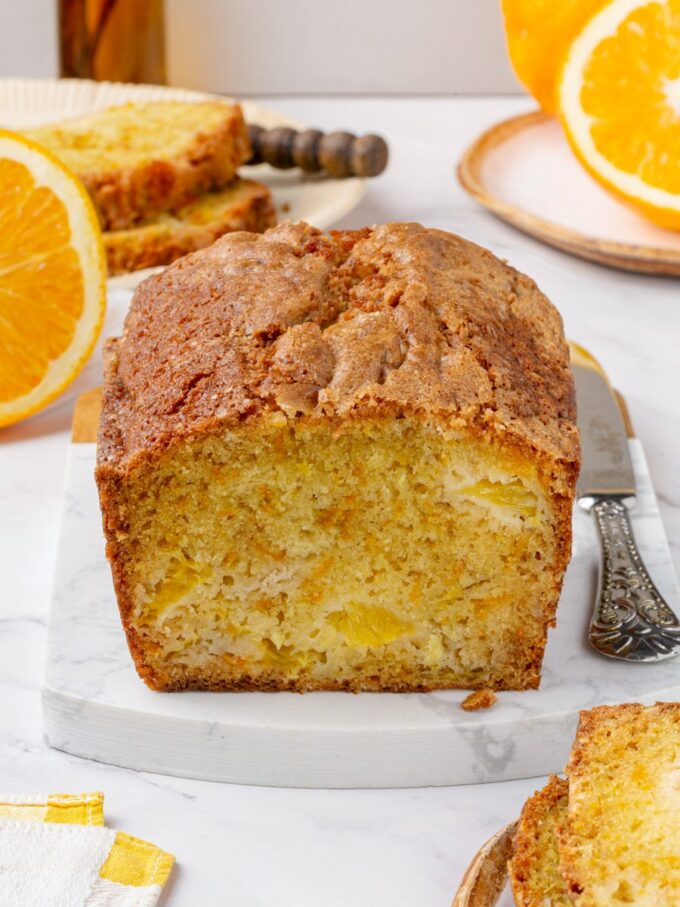
This orange bread delivers intense citrus flavor in every bite, thanks to zest-infused sugar and orange supremes folded straight into the batter! Perfect for breakfast, snack or dessert!

A Quick Look At The Recipe
This is a brief summary of the recipe. Jump to the recipe to get the full details.
Prep Time
20 minutes
Cook Time
1 hour
Total Time
1 hour 20 minutes
Servings
10 Slices
Difficulty
Intermediate
Calories *
241 kcal per serving
Technique
Fold-in technique with orange supremes and zest-infused sugar
Flavor Profile
Bright citrus, lightly sweet, aromatic
* Based on nutrition panel
This was the 1st time I made orange supremes and they are wonderful! They completely melt into the crumb and the flavor is so much more intense than any citrus bread I have made before. The sanding sugar top crackled beautifully and I did not miss a glaze at all.
⭐⭐⭐⭐⭐
Priya
Why You Will Love This Recipe
- Intense orange flavor baked right in. Most citrus quick breads rely on a glaze or syrup to taste like the fruit on the label. This one builds all its flavor from orange-zested sugar and fresh orange supremes folded directly into the batter.
- A crumb that stays soft with a crackly, sweet top. The sanding sugar on top is not just decorative; it creates a crisp, lightly sweet crust that contrasts the tender crumb beneath. If you love that contrast, my rhubarb bread uses the same principle in a different direction.
- No glaze, no soak, no icing required. The loaf is complete as it comes out of the pan. The macerated orange sugar and the juicy supremes do enough work that nothing extra is needed.
- A genuinely different technique for quick bread. Folding actual citrus segments into a loaf batter is unusual and sets this apart from standard fruit-flavored loaves. If you enjoy fruit-forward quick breads, this sits in the same family as my blueberry bread recipe but with a brighter, citrus-forward profile.
This is the orange bread for true citrus lovers—every bit of flavor and moisture comes from real oranges baked right into the crumb, with no glaze or icing needed. You’ll get bright, juicy bursts from fresh orange supremes folded right in (a technique almost nobody uses), alongside the deep aroma of zest-macerated sugar.
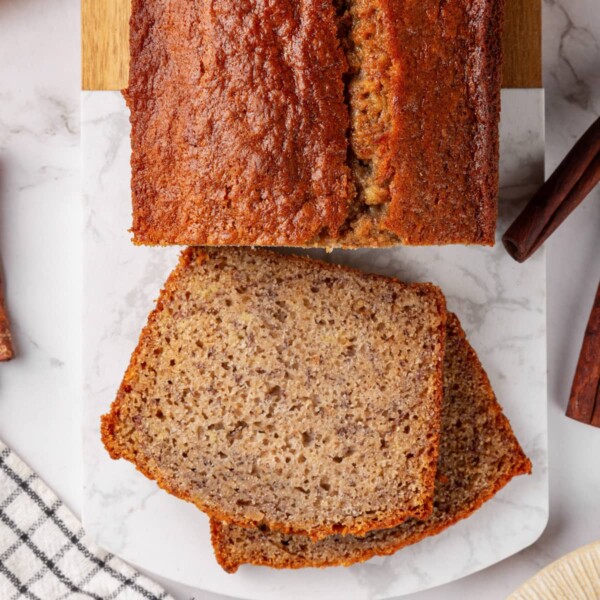
It’s lightly sweetened, never pretending to be cake, and finished with a crackly sanding-sugar top for just the right contrast. It slices cleanly with a serrated knife and is just as good with morning coffee as it is alongside afternoon tea. If you enjoy baking with fruit, my strawberry bread is another quick loaf to add to your rotation.
Ingredients & Substitutions
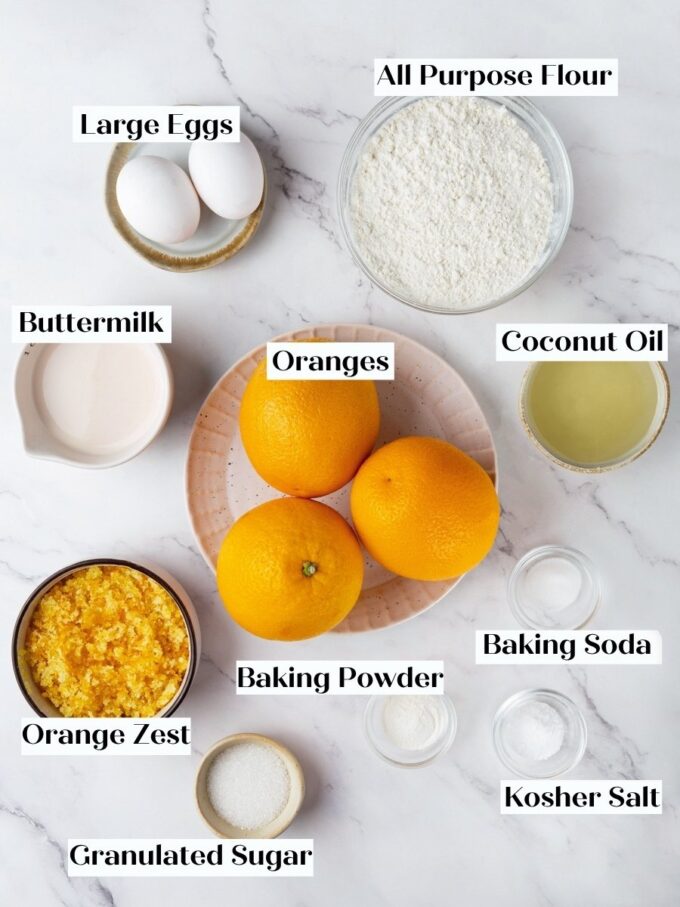
- Orange Zest (rubbed into sugar ahead of time): This is the backbone of the bread’s citrus flavor. Rubbing zest into sugar releases the natural oils from the peel, which infuse deeply into the granules over time. Give it at least overnight in the fridge, though up to a week is even better.
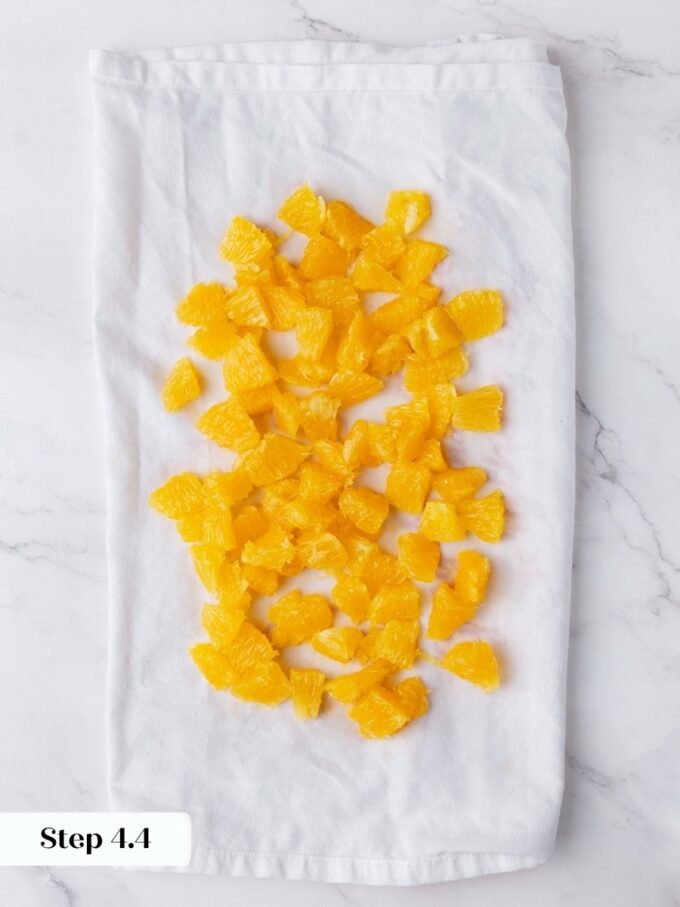
- Orange Supremes: Fresh orange segments with the membranes fully removed give you juicy bursts of citrus throughout the crumb without any bitterness. Once cut, dice them small, then drain and pat dry thoroughly on a towel, because excess moisture creates wet tunnels in the loaf. Want to use orange segments elsewhere? Try this orange upside down cake
- Coconut Oil: Melted coconut oil keeps the crumb moist and tender without weighing it down. Use it just warm, not hot, so it does not scramble the eggs when you combine the wet ingredients.
- Buttermilk:The acidity in buttermilk reacts with the baking soda to help the loaf rise, and it contributes to a tender crumb. If you don’t have buttermilk mix 1 cup of milk with 1 tablespoon of lemon juice and let it sit for at least 5 minutes.
- Baking Powder and Baking Soda: These two leaveners work together. Baking powder provides an immediate lift, while baking soda reacts specifically with the buttermilk’s acidity for a secondary rise. Alter either amount and you risk a flat or uneven loaf.
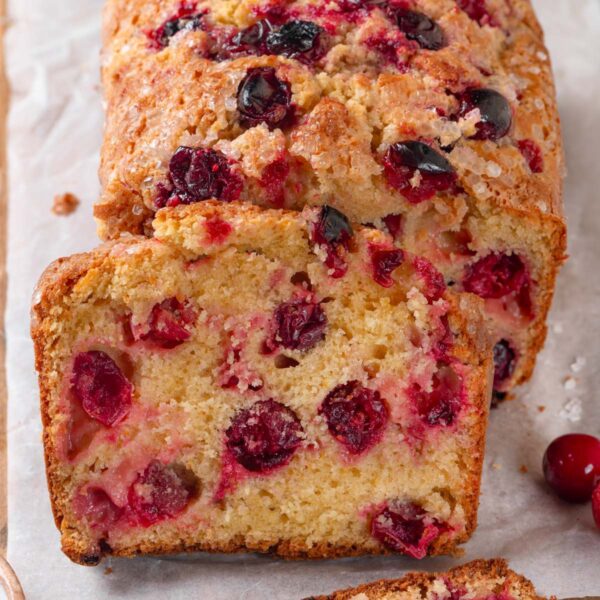
- White Sanding Sugar: Sprinkled over the top before baking, sanding sugar creates a crackly, crisp crust that contrasts with the soft crumb beneath, just like with my cranberry bread recipe. Regular granulated sugar will work in a pinch, though it may not give you the same pronounced crunch.
Variations for Orange Quick Bread
- Change the citrus! Swap standard navel oranges for blood oranges or Cara Cara oranges for a more aromatic, deeply fragrant loaf. Use the same quantity for zest and supremes; the technique does not change, only the intensity of the citrus character does. I also think this could be delightful with key limes or Meyer lemons!
- Orange with Warm Spice. Add 1 teaspoon of ground cardamom or ginger to the dry ingredients for a loaf that leans more toward spiced than purely bright. If you enjoy that warm-spice-meets-citrus combination, my moist gingerbread loaf recipe takes a similar approach from a completely different direction.
- Orange Glaze Finish: A simple glaze of powdered sugar and fresh orange juice, drizzled over the cooled loaf, pushes this into dessert territory. The loaf genuinely does not need it, but the option is there if you want it.
[Insert image here]
Professional Tips for Perfect Orange Quick Bread
- Macerate the zest for at least one full day, longer if you can. The macerated orange sugar is the only source of orange flavor in the crumb itself, so this step cannot be rushed. A few hours produces a faint background note; overnight or longer gives you the deep, aromatic orange flavor the loaf is built around.
- Supreme the oranges completely, not just segment them. The membrane is where bitterness lives, and even a little left behind will make itself known in the finished loaf. Cut away every bit, small-dice the segments, then drain and pat them fully dry on paper towels before tossing in flour, because wet supremes create damp, sunken tunnels in the crumb.
- Fold the batter only until the dry streaks disappear, then stop. Over-mixing activates gluten and traps air unevenly, which is what causes a chewy crumb and tunneling. Switch from a whisk to a spatula as soon as the dry ingredients go in, and pull back while the batter is still slightly lumpy.
- Pull the loaf on doneness, not on time. A tester with a few clinging crumbs and a center that resists light pressure is your signal; the same principle runs through my apple bread recipe.
How to Make Orange Quick Bread
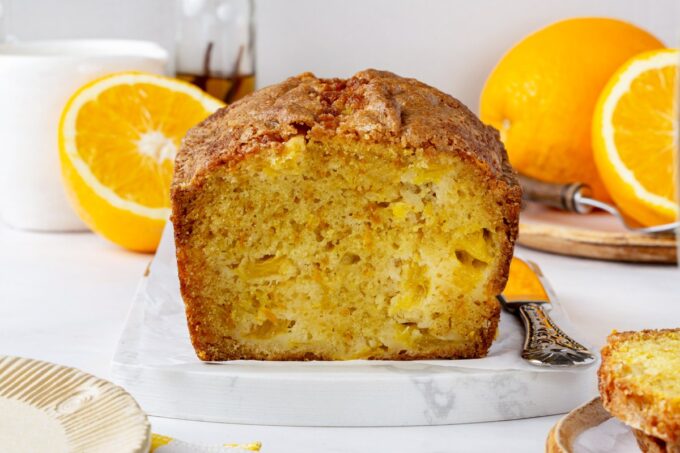
Use these instructions to make a tender, citrus-forward quick bread with juicy orange pieces running through every slice. Further details and measurements can be found in the recipe card below.
Macerate the Zest
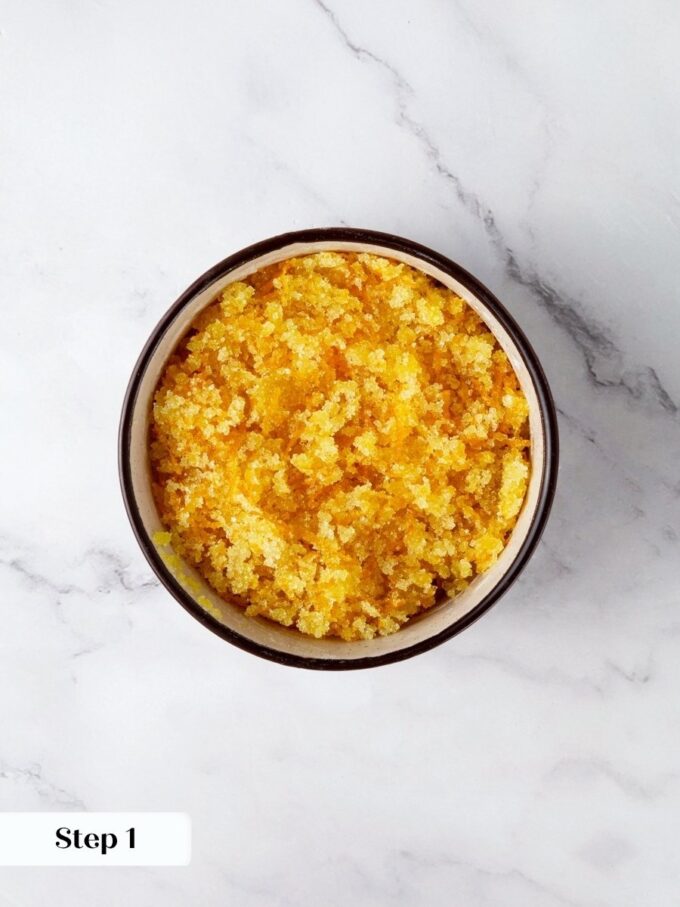
Step 1: Rub the orange zest into the granulated sugar with your fingers or the back of a spoon until the sugar feels damp and smells intensely fragrant. Cover and refrigerate at least overnight, up to a week. Before using, break up any clumps that have formed. This orange sugar is the only source of orange flavor in the crumb itself, so give it time to infuse. (photo 1)
Step 2: Prepare the Pan and Oven. Preheat the oven to 350°F conventional. Spray a standard 9 x 5 inch loaf pan with nonstick cooking spray, then line it with a parchment sling. To make the sling, fold a piece of parchment in half lengthwise, cut it in half, then cut a slit about 3 inches deep into each corner. I just let the parchment overlap in the corners, which is fine! Set the prepared pan aside.
Supreme the Oranges
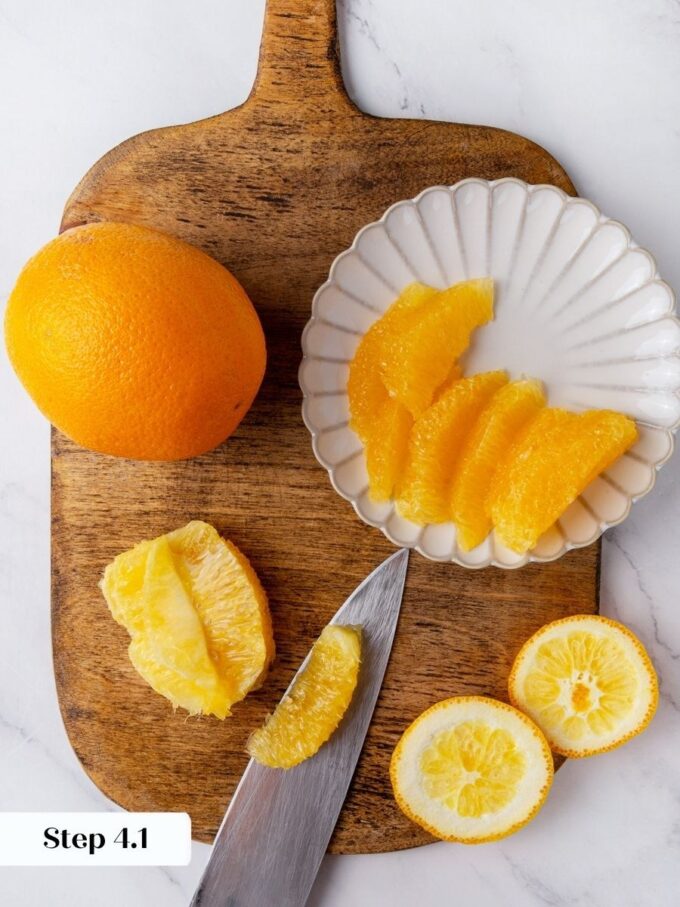
Step 3: Cut away the peel, pith, and all membranes from each orange completely. Start by slicing off both ends so you can see the flesh, stand the orange on a flat end, then use a sharp serrated knife to cut downward following the curve of the fruit until only flesh remains. Pick up the orange and cut each segment free by slicing as close to the membrane as you can on both sides. (photos 2-5)
This step matters more than it might seem — the membrane is where bitterness lives, and any left behind will come through in the finished loaf.
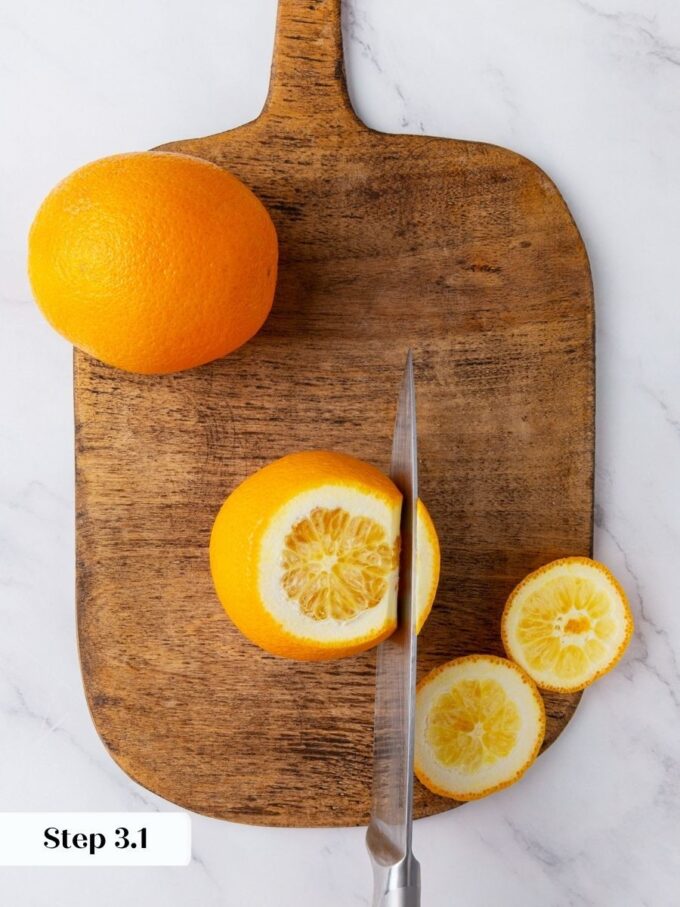
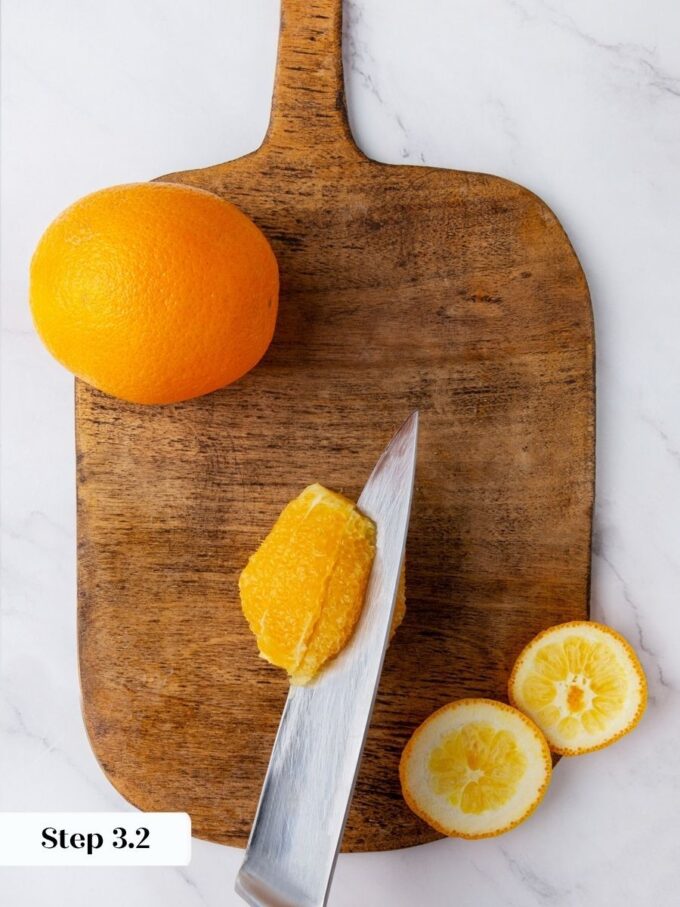
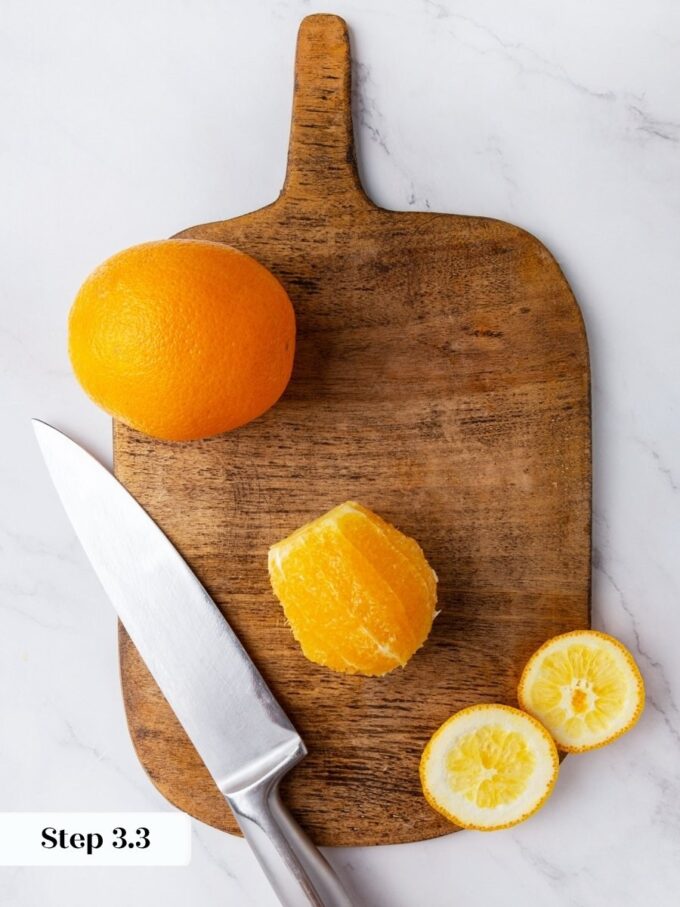
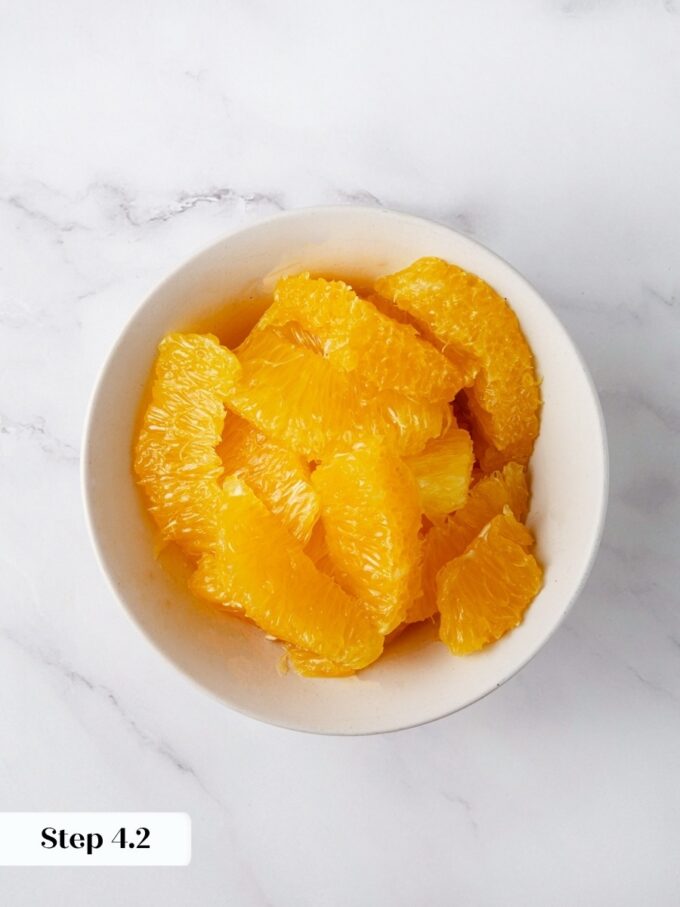
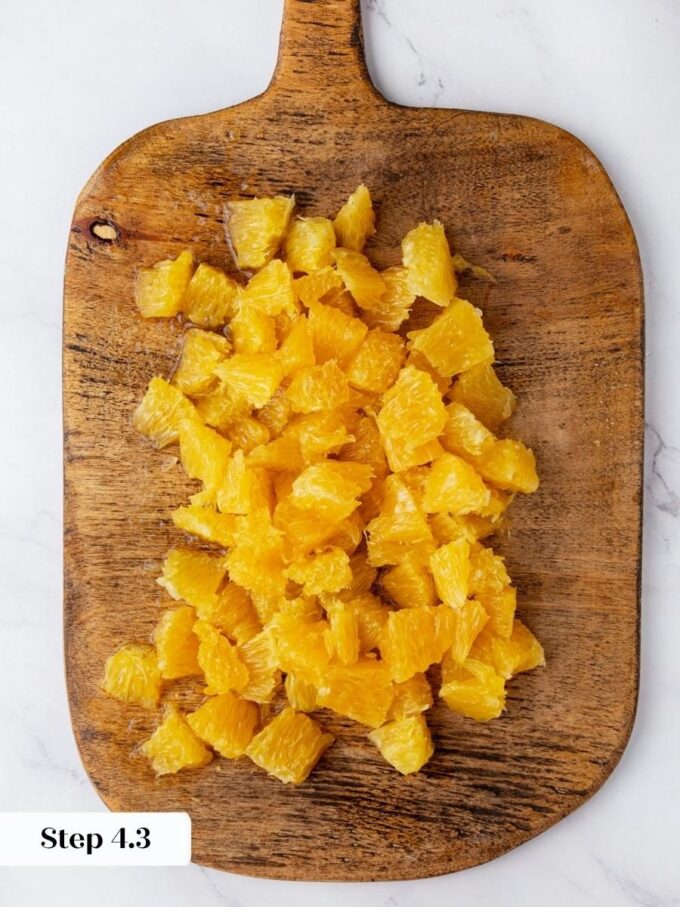
Step 4: Dice and Dry the Supremes. Small-dice the supremes, then spread them on a clean towel and pat thoroughly dry. You are looking for about 1 cup, which is typically what you get from the 2 medium oranges you already zested. If the pieces feel wet when you add them, they can create damp tunnels in the crumb, so do not rush the drying step. (photos 6-9)
Mix the Batter
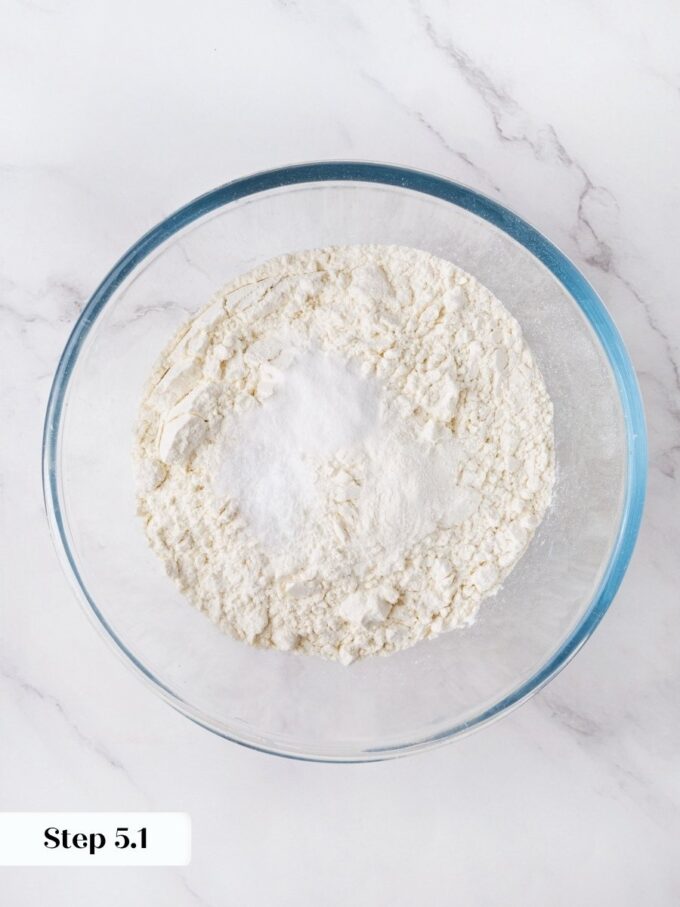
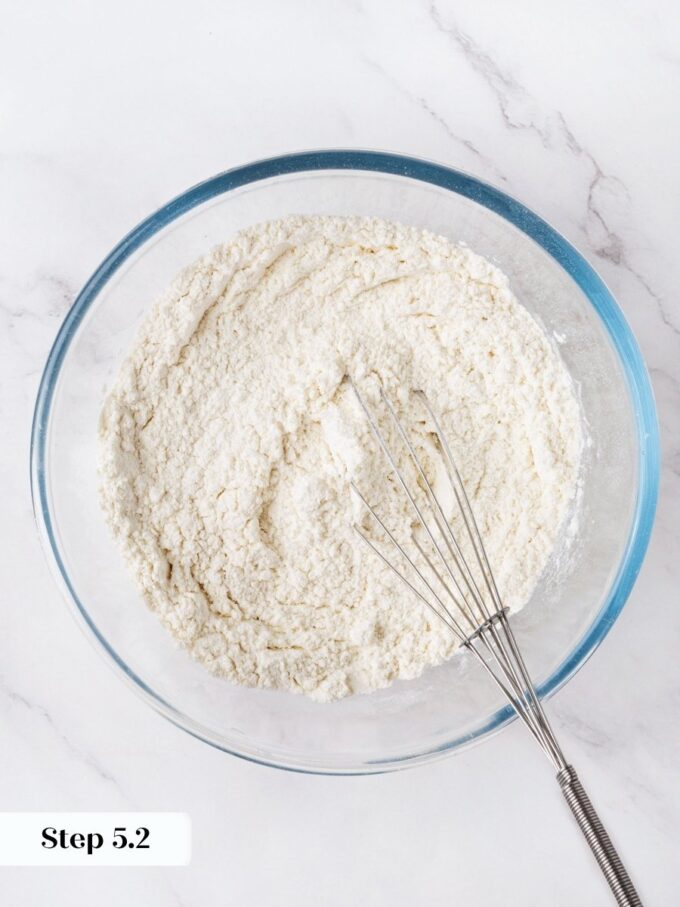
Step 5: Mix the Dry Ingredients. In a medium mixing bowl, whisk together the all-purpose flour, baking powder, baking soda, and salt until evenly combined. Set aside. (photos 10 & 11)
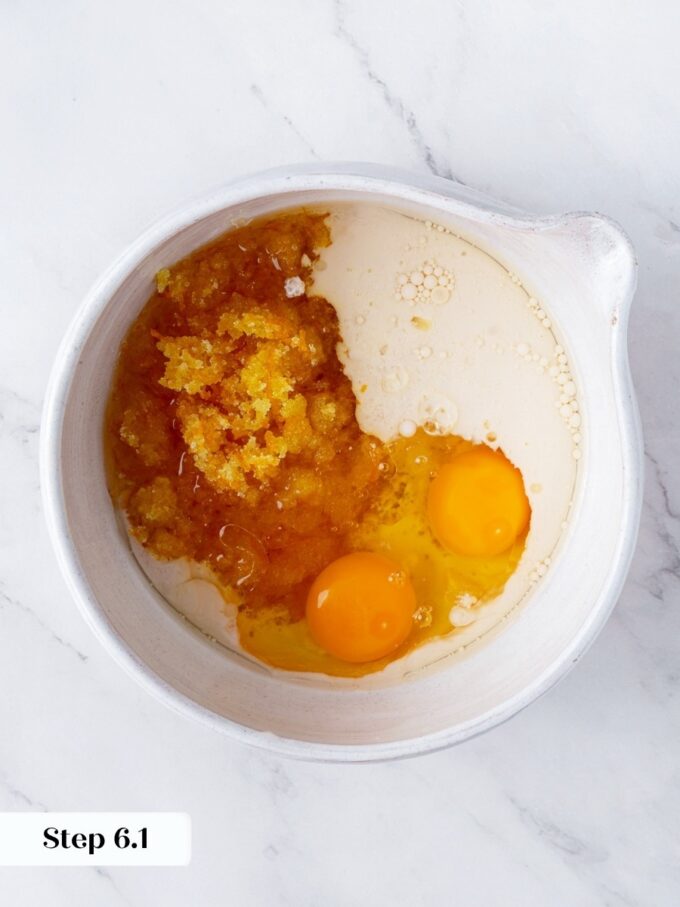
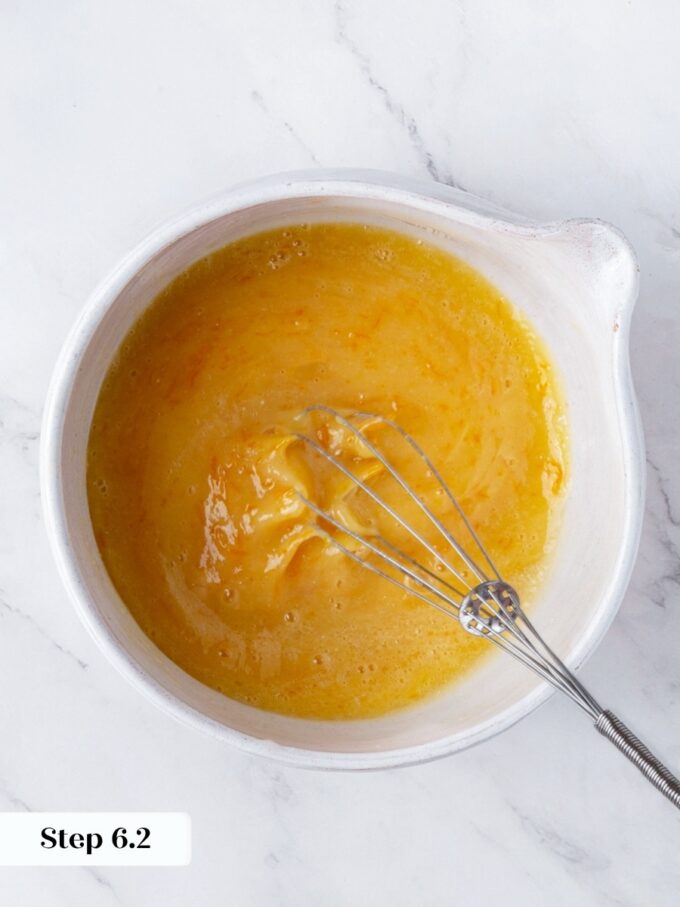
Step 6: Mix the Wet Ingredients. In a large mixing bowl, whisk together the buttermilk, eggs, orange sugar, and warm, melted coconut oil until smooth and fully emulsified. The mixture should look glossy and uniform. If your coconut oil is too cool, it may seize slightly when it meets the cold buttermilk — that is completely normal. Keep whisking, and it will come together. (photos 12 & 13)
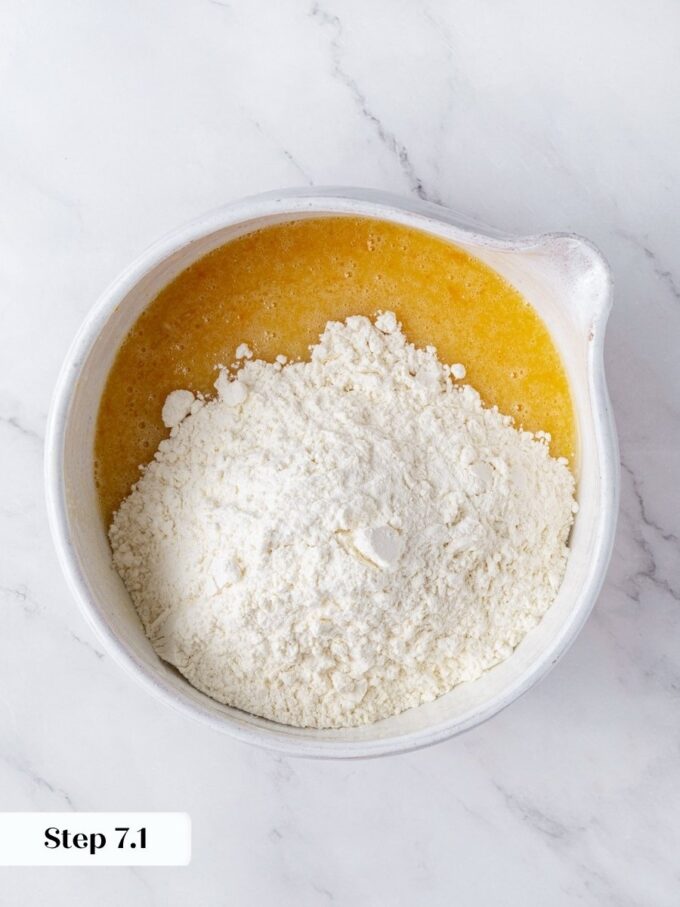
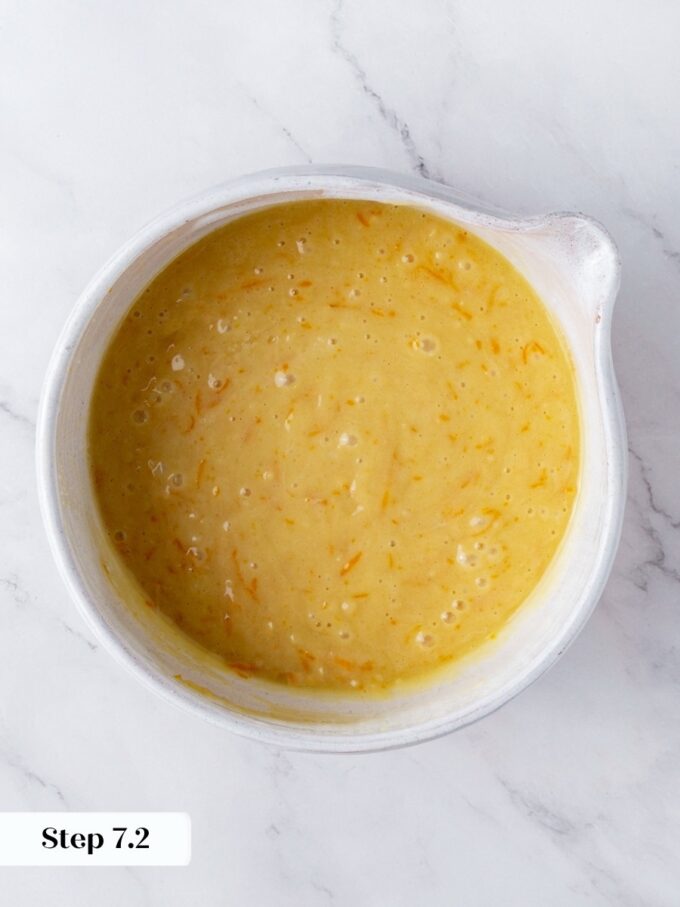
Step 7: Add the dry ingredients to the wet and fold with a spatula just until the dry streaks disappear. The batter should still look a little lumpy. (photos 14 & 15)
Do not switch to a whisk and do not keep folding past that point. Over-mixing was the culprit behind chewy, tunneled crumbs in my earlier tests.
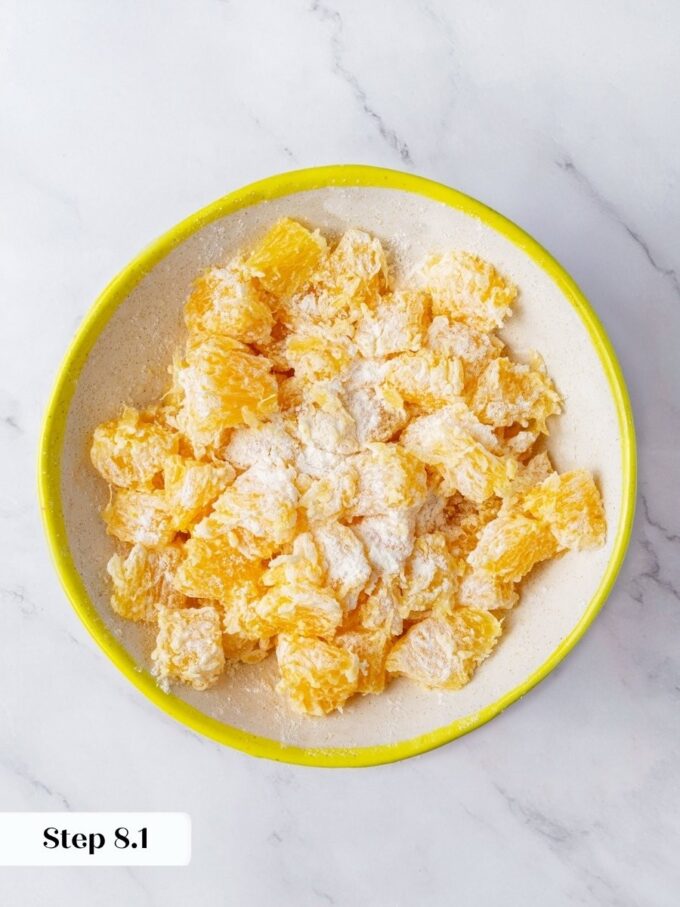
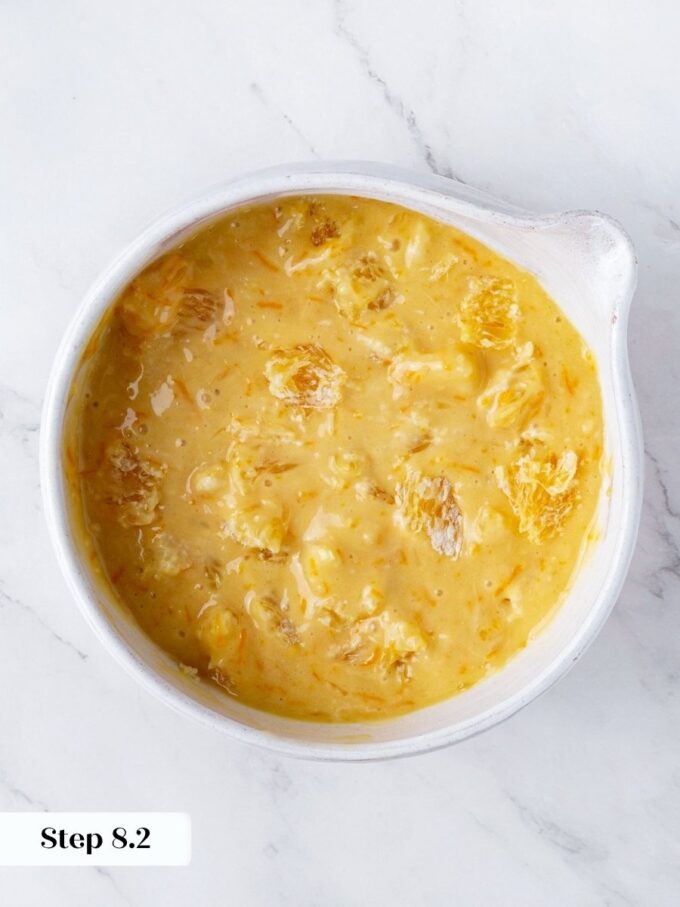
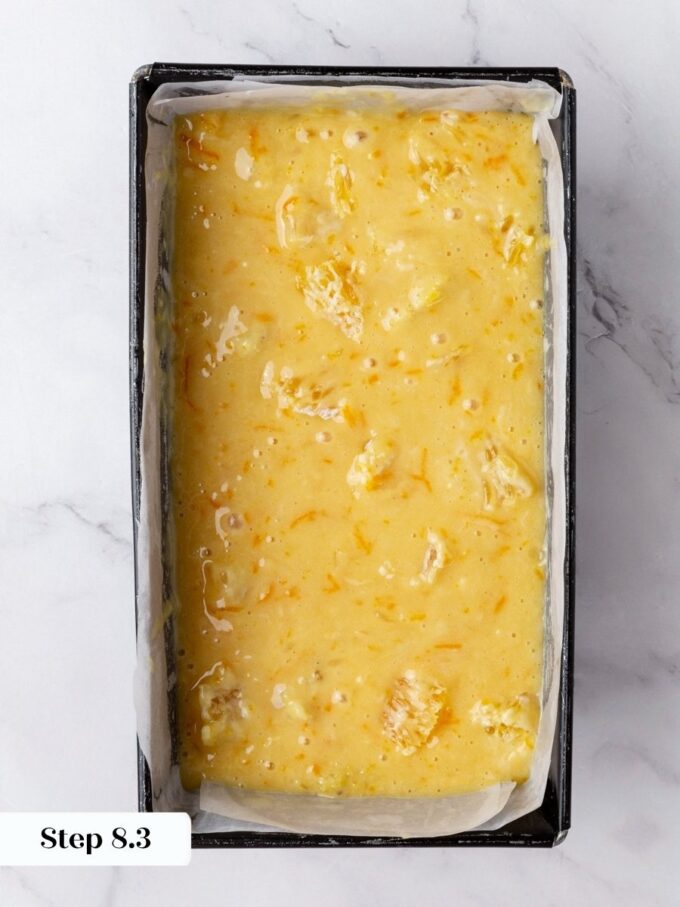
Step 8: Toss and Fold in the Supremes. Toss the diced supremes in the tablespoon of flour, then gently fold them into the batter with a few slow strokes. The batter will be thick. Dollop it into the prepared pan, keeping the fruit-heavy portions toward the top so the orange pieces do not all sink to the bottom during baking. (photos 16-18)
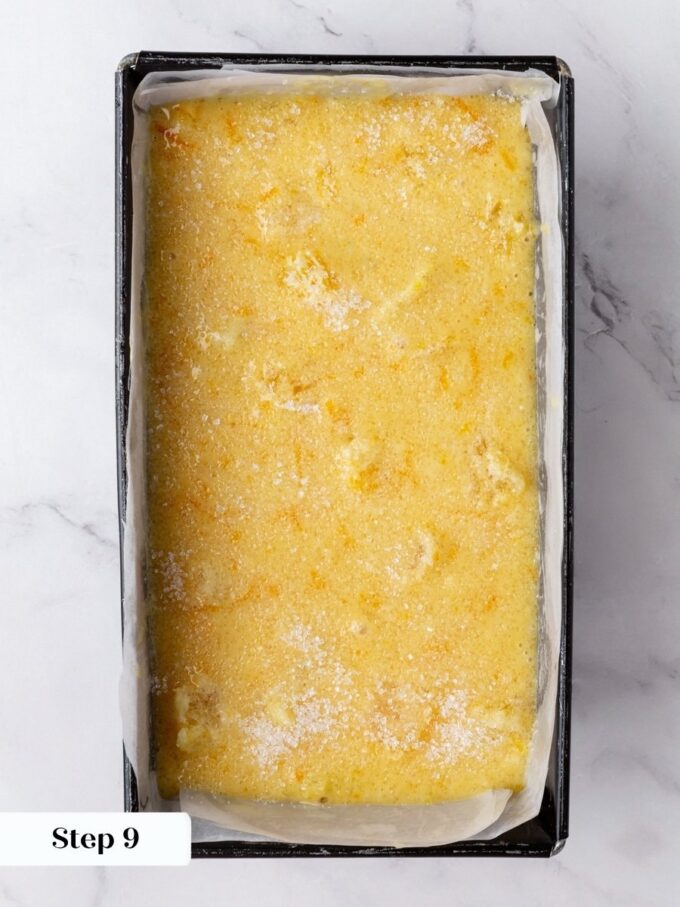
Step 9: Sprinkle the Sanding Sugar. Sprinkle the sanding sugar evenly over the top of the batter. (photo 19)
Bake the Loaf
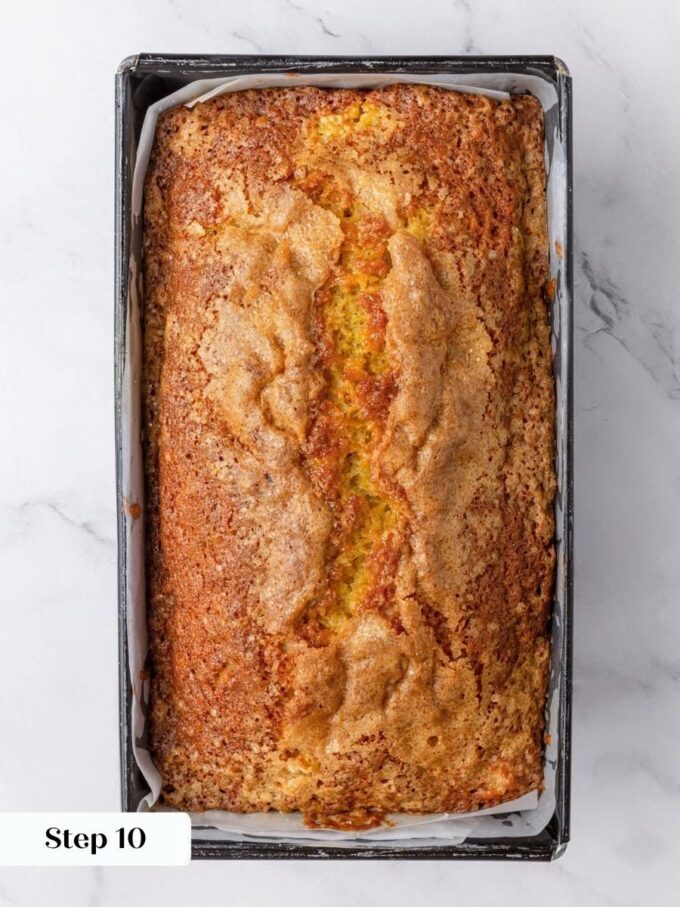
Step 10: Bake at 350°F for 40 to 50 minutes. Start checking at 40 minutes, but trust the doneness signal over the clock: pull the loaf as soon as a tester inserted into the center comes out with a few clinging crumbs and the center resists light pressure when you press it lightly with a finger. Mine was done at 48 minutes, but it could have come out at 45 — lean toward underdone rather than over, since overbaking dries out the crumb quickly. (photo 20)
Rotate the pan only if needed for even browning, and only after the center has started to set, at least 30 minutes in. Opening the oven too early can cause the center to sink.
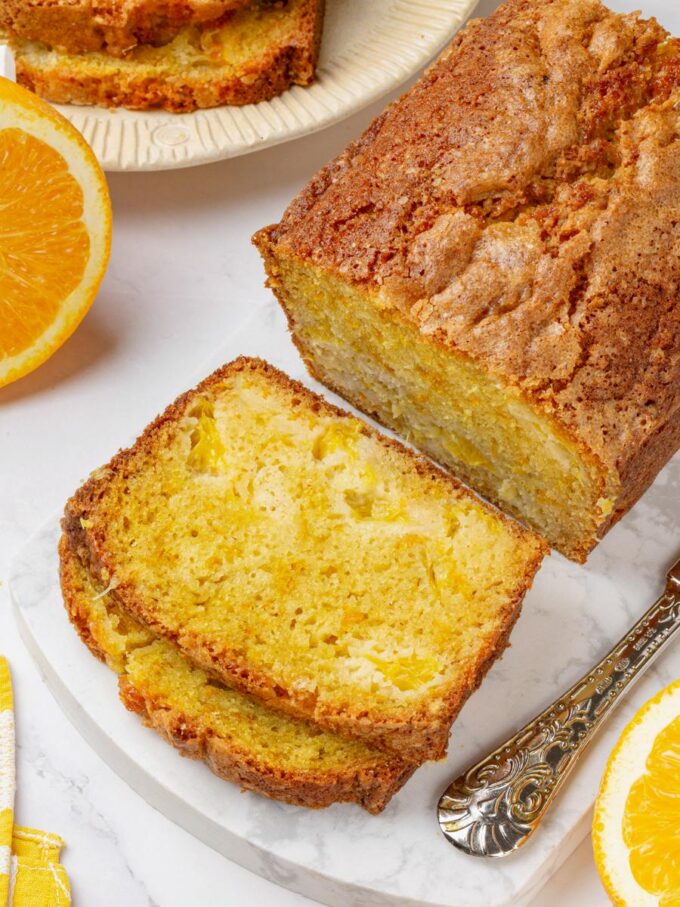
Step 11: Cool and Slice. Let the loaf rest in the pan for 10 minutes, then lift it out using the parchment sling and transfer to a wire rack to cool completely. Slicing too soon tears the crumb and lets the steam escape before the structure has set — give it the full cool. (photo 21)
Step 12: Slice with a Serrated Knife. Slice with a serrated knife using a gentle sawing motion. A straight-edge knife will compress the crumb and drag the orange pieces through the loaf rather than releasing them cleanly.
Recipe FAQs
Wrapped tightly at room temperature, this orange bread stays moist for up to 3 days. To freeze, let the loaf cool completely, wrap it in plastic wrap and then a layer of foil, and freeze for up to 2 months. Reheat individual slices in a toaster oven at 350°F for about 5 minutes to revive the crackly, sandy sugar top.
The two most common culprits are over-mixing the batter and wet orange supremes. Once the dry ingredients go in, fold with a spatula just until the streaks disappear and stop while the batter still looks slightly lumpy — switching back to a whisk at that stage is what causes a chewy, tunneled crumb; ask me how I know. Wet supremes are the other issue: if you do not drain them and thoroughly pat them dry before folding them in, the excess moisture sinks into the crumb, creating damp, dense pockets.
Do not add orange juice to the batter. It sounds logical, but in my early tests, it made the loaf sink and the crumb turn gummy because the extra liquid upset the balance of the batter. If you want to push the orange flavor further, add more zest to the sugar, use a few drops of orange oil, or stir a tablespoon of Grand Marnier into the wet ingredients. The macerated zest and fresh supremes already deliver more genuine orange flavor than juice ever could.
Recommened Quick Bread Recipes
Quick Breads
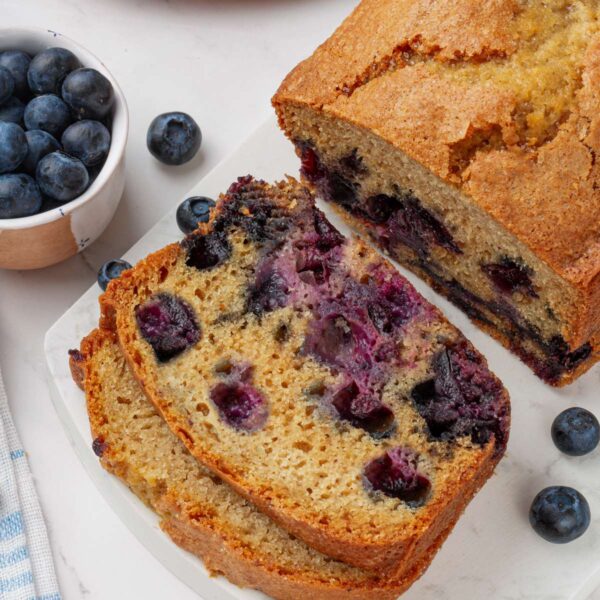
Quick Breads
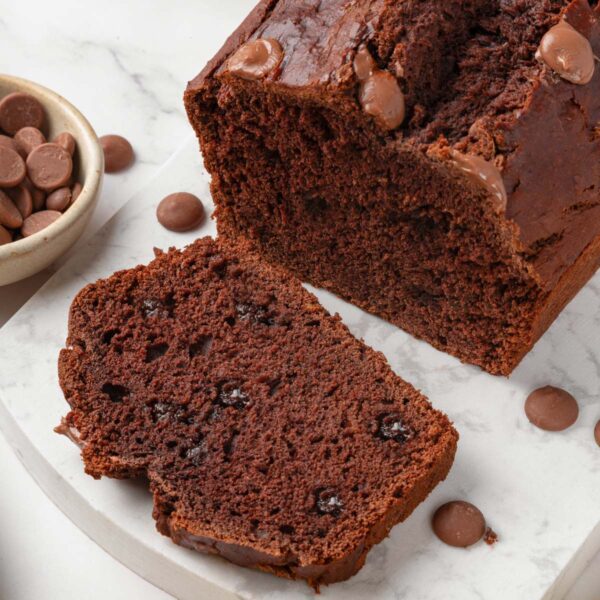
Quick Breads
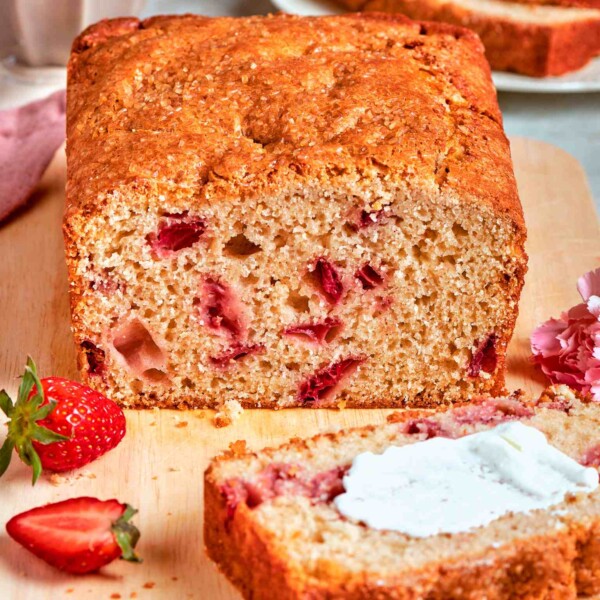
Breakfast & Brunch
Orange Bread
Ingredients
- ⅓ cup coconut oil, melted and just warm
- 1 cup granulated sugar
- 20 g orange zest, about 3 oranges, rubbed into the sugar and refrigerated overnight
- ½ cup low-fat buttermilk
- 2 large eggs
- 1¾ cups all-purpose flour, for batter
- 1½ teaspoons baking powder
- ½ teaspoon baking soda
- 1 teaspoon kosher salt
- 1 cup orange supremes, From about 2 oranges. Membranes fully removed, small-diced, drained, and patted dry
- 1 tablespoon all-purpose flour, for tossing the oranges
- 2 tablespoons white sanding sugar, for finishing
Instructions
- The day before baking, rub the orange zest into the sugar with your fingers until the mixture is damp and fragrant. Cover and refrigerate at least overnight, up to one week. Break up any clumps before using.
- Preheat the oven to 350°F. Spray a 9×5 inch loaf pan with nonstick spray and line with a parchment sling.
- Supreme the oranges by cutting away the peel, pith, and all membrane. Small-dice the segments, then drain and pat completely dry on a clean towel.
- In a medium bowl, whisk together the flour, baking powder, baking soda, and salt. Set aside.
- In a large bowl, whisk together the buttermilk, eggs, orange-sugar, and warm coconut oil until smooth and emulsified.
- Add the dry ingredients to the wet and fold with a spatula just until the dry streaks disappear. Stop while the batter is still slightly lumpy. Do not whisk.
- Toss the diced supremes in the 1 tablespoon flour. Fold gently into the batter, keeping the fruit toward the top of the batter as you dollop it into the pan so the pieces do not all settle to the bottom.
- Sprinkle the sanding sugar evenly over the top.
- Bake for 45 to 48 minutes. Begin checking at 40 minutes. Pull the loaf as soon as a tester comes out with a few clinging crumbs and the center resists light pressure. Do not add extra time as insurance. Rotate the pan only if needed, and only after the center has begun to set, at least 30 minutes in.
- Cool in the pan for 10 minutes, then turn out onto a wire rack to cool completely. Use a serrated knife for the cleanest slices.
Notes
Supreming the oranges: Remove every trace of membrane before dicing, then drain and pat the pieces completely dry. Any moisture left on the fruit creates wet tunnels in the crumb.
Doneness: Pull the loaf the moment a tester comes out with a few clinging crumbs. Overbaking dries out the crumb quickly, and there is no glaze or soak to compensate.
Storage: Store at room temperature wrapped tightly for up to 3 days, or freeze for up to 2 months. Reheat slices in a toaster oven at 350°F for 5 minutes.
Nutrition
Nutrition information is automatically calculated, so should only be used as an approximation.
 Like this recipe? Rate & comment below!
Before You Go
If this orange bread has you hooked on citrus baking, there is plenty more where that came from. Browse our Breakfast & Brunch Recipes or make this chocolate chip pumpkin bread next!



This was the 1st time I made orange supremes and they are wonderful! They completely melt into the crumb and the flavor is so much more intense than any citrus bread I have made before. The sanding sugar top crackled beautifully and I did not miss a glaze at all.
Not missing the glaze at all is exactly what this recipe is designed for — the flavor is already there. Thank you so much! ~GVD team
aw. jealously. 🙂
This Old Book has just the book for you!
Breaking Bread with Father Dominic! Really unusual recipes. Lizard Pepper Bread, cuban bread and pretzel recipes.
Stop in and see me while your home!
Will do, Pam! Lizard Pepper Bread, huh — really curious about that one.
Ah. The joy of friends. I’m sorry I missed it. But maybe the two of you can help me with cookies this weekend! 🙂
You got it, Ma. You know I’ll never give up a chance to bake cookies!