
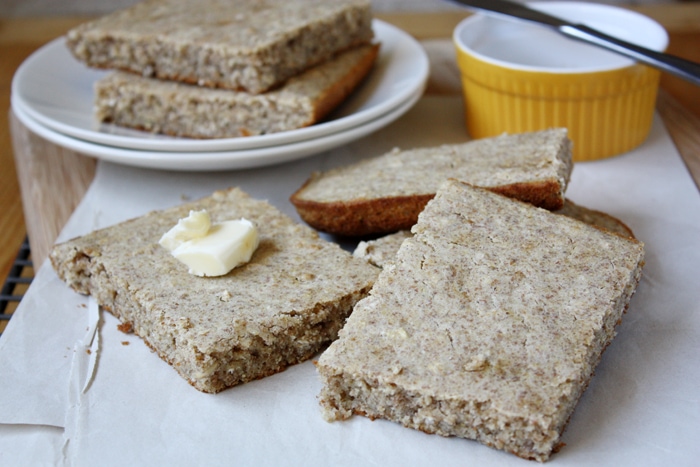
Rieska is a traditional Finnish flatbread that comes together in one bowl in about 30 minutes flat. It’s tender, slightly nutty from the rye and oats, and needs no yeast, no kneading, and no waiting around.
A Quick Look At The Recipe
This is a brief summary of the recipe. Jump to the recipe to get the full details.
Prep Time
10 minutes
Cook Time
20 minutes
Total Time
30 minutes
Servings
24 square slices
Difficulty
Easy
Calories *
70 kcal per serving
Technique
Baked, one-bowl
Flavor Profile
Nutty, mildly tangy, lightly hearty
* Based on nutrition panel
“I made this on a whim after stumbling across the recipe and I was shocked at how quickly it came together. The texture is somewhere between a biscuit and a flatbread, which I absolutely loved. My whole family kept going back for more slices straight from the pan!”
⭐⭐⭐⭐⭐
Maren
Why You Will Love This Recipe
- Ready in 30 minutes. This flatbread goes from mixing bowl to table in half an hour. There’s no yeast, no rise time, and no kneading involved at any point.
- One bowl, minimal cleanup. Everything comes together in a single large bowl before going straight into the baking dish. You whisk, stir, spread, and bake, which is pretty much it.
- A hearty, satisfying texture. Rieska is tender but has real substance to it, thanks to the combination of rolled oats and rye flour. It’s nothing like a fluffy white sandwich loaf, and that’s exactly what makes it interesting.
- Great for bakers who love rye. If you enjoy the earthy depth of rye in your baking, this is a wonderful low-effort introduction to using it. My Rye Bread Recipe takes things further if you want to explore a full yeast-leavened loaf after this.
Rieska is one of those recipes I keep coming back to when I want something homemade without a big time commitment. It’s humble and a little rustic, which is exactly what I love about Finnish-style baking.
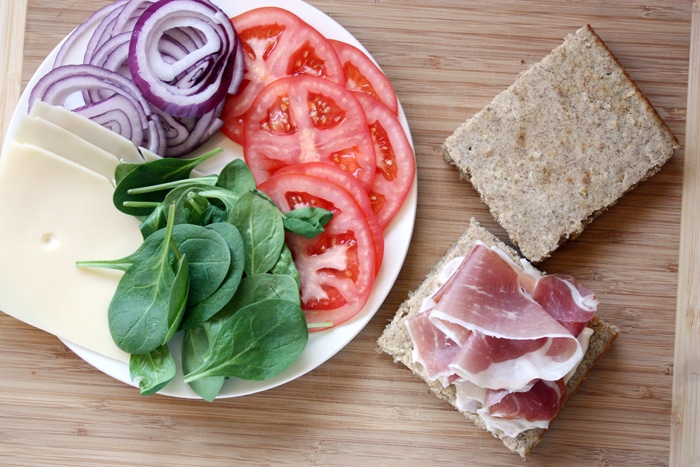
It works well alongside a bowl of soup, spread with good butter, or served with sharp cheese and a handful of whatever is in the refrigerator. If you like baking with rye and want to try something with a bit more structure, my Braided Rye Bread or this sourdough rye bread (coming soon!) is a beautiful next step.
Ingredients & Substitutions
- Old Fashioned Rolled Oats: These give rieska its characteristic hearty texture and a mild, nutty chew. Quick oats will work in a pinch, but rolled oats hold their structure better and keep the crumb from turning mushy.
- Rye Flour: This is the backbone of rieska and gives the bread its earthy, slightly tangy flavor. Dark rye (also called pumpernickel flour) is what I use here, and it produces a deeper, more robust flavor than light rye. If you’d like to explore more ways to bake with dark rye, my Steakhouse Style Pumpernickel Bread is a great reference point for how this flour behaves.
- Unbleached All-Purpose Flour: This lightens the dough and keeps the bread from being too dense or crumbly. Don’t swap it out entirely, since rye flour has very little gluten and needs the structure that all-purpose provides.
- Baking Powder: This is the primary leavener, giving the bread its lift in the short bake time.
- Baking Soda: It works alongside the baking powder and reacts with the acidity in the buttermilk to help the bread rise and brown evenly.
- Salt
- Sugar
- Unsalted Butter: Cut into small cubes and worked into the dry ingredients, the butter creates a slightly tender, shortbread-like crumb. Keep it cold before cutting it in so it stays in small, distinct pieces throughout the mix rather than melting into a slick paste.
- Buttermilk: Buttermilk brings the batter together and adds a gentle tang that complements the rye. It also activates the baking soda, so don’t substitute plain milk without adding a small splash of white vinegar or lemon juice to approximate the acidity. If you have extra buttermilk, try this buttermilk bread next!
Variations for Rieska
- Seeded Top: Press a generous handful of sesame seeds, caraway seeds, or sunflower seeds onto the surface of the batter just before it goes into the oven. The seeds toast as the bread bakes and add a nutty crunch to every slice. You can use the seed mix from my whole grain seeded bread or try it with my everything bagel seasoning.
- Herb and Garlic: Stir a tablespoon of dried rosemary or thyme and two minced garlic cloves into the dry ingredients before adding the buttermilk. The aromatics work especially well with the earthiness of the rye and make the bread a natural fit alongside soups and stews.
- Dark Rye and Molasses: Replace the sugar with an equal amount of unsulfured molasses and increase the rye flour slightly by swapping two tablespoons of the all-purpose flour for rye. The result is a deeper, more robust loaf with a flavor profile close to Russian Black Bread.
Professional Tips for Perfect Rieska
- Spread the batter quickly and evenly. Once the buttermilk hits the leaveners, the reaction starts immediately. Get the batter into the greased pan and spread it to an even layer with your spatula right away so the lift is distributed across the whole surface rather than puffing unevenly in spots.
- Use a hot oven and don’t second-guess it. Five hundred degrees sounds high, but rieska is a thin, quick bread and it needs that heat to set the crust and develop color before the interior dries out. Pull it when the top is golden brown, and a toothpick comes out clean, which usually happens closer to 15 minutes in most home ovens.
- Cool completely before slicing. The crumb is fragile straight from the oven because rye flour has so little gluten to hold things together. Give it the full cooling time in the pan, and it will slice cleanly rather than crumbling at the edges.
- Grease the pan generously. Rieska bakes at a high temperature, and the oats and rye can stick if the pan isn’t well coated. A light but thorough layer of butter or nonstick spray across the bottom and up the sides of the dish makes it easy to lift clean slices straight from the pan.
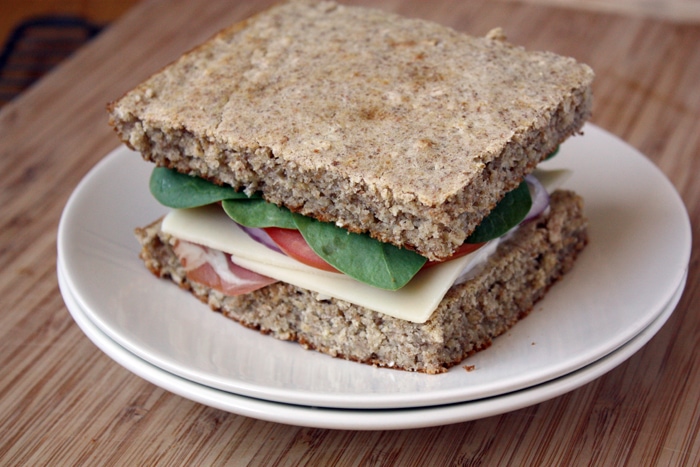
How to Make Rieska
Use these step-by-step instructions to make a tender, nutty Finnish flatbread with a golden, lightly crisp top. Further details and measurements can be found in the recipe card below.
Make Batter
Step 1: Preheat the oven and prepare the pan. Set your oven to 500°F and let it fully preheat while you mix the batter. Lightly grease a 13-by-9-inch baking dish on the bottom and up the sides, making sure you don’t miss the corners since that’s where sticking tends to happen first.
Give the oven the full preheat time before the batter goes in. Rieska needs that immediate high heat to set and brown correctly.
Step 2: Whisk the dry ingredients. Combine the rolled oats, rye flour, all-purpose flour, baking powder, baking soda, salt, and sugar in a large bowl and whisk them together until evenly blended. The mixture will look dry and a little rough from the oats, which is exactly right at this stage.
Step 3: Cut in the butter. Add the cold butter in small cubes directly to the dry ingredient bowl, then use a fork or pastry blender to work it in until the butter is thoroughly distributed throughout the mix. You’re looking for the butter to disappear into the flour rather than leaving visible chunks, just like when making this banana scone recipe, though small irregular bits are fine and won’t hurt the final texture. The mixture will feel slightly sandy and a little clumpy when the butter is cut in properly.
Keep the butter cold right up until you cut it in. Warm butter blends in too smoothly and you lose the slight tenderness it creates when it stays in small, distinct pieces.
Step 4: Stir in the buttermilk. Pour in the buttermilk and stir until the batter is well combined and no dry streaks of flour remain at the bottom of the bowl. The batter will look quite wet and loose, almost pourable, which is completely normal and exactly what it should look like at this point. Don’t add more flour to compensate; that looseness is what keeps the finished bread tender rather than dry and dense.
Pour and Bake
Step 5: Spread the batter into the pan. Pour the batter into the prepared baking dish and use a spatula to spread it into an even layer all the way to the edges and corners. Because the batter is loose, it will spread fairly easily, but take a moment to level the surface so the bread bakes evenly and you don’t end up with thin, overdone edges and a thick underdone center.
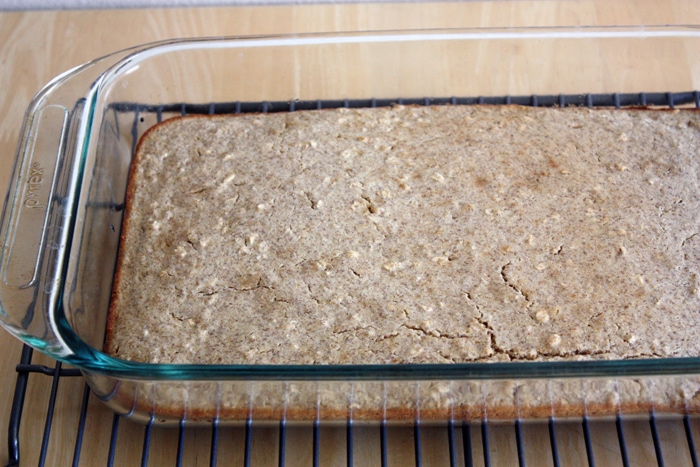
Step 6: Bake until golden. Slide the pan into the fully preheated oven and bake for 15 to 20 minutes, until the top is golden brown and a toothpick inserted in the center comes out clean. The top will take on a warm, deep golden color and the edges will begin to pull slightly from the sides of the pan when it’s done. The inside stays tender, so don’t pull it early just because it looks set on top.
Start checking at the 15-minute mark. Ovens vary, and at 500°F the difference between golden and overbaked is only a few minutes.
Step 7: Cool completely before slicing. Remove the pan from the oven and let the rieska cool in the baking dish completely before slicing or serving. Cutting into it while it’s still hot will cause the crumb to compress and the slices to crumble, so give it the full cooling time even though it smells incredible straight out of the oven.
Recipe FAQs
Rieska keeps well at room temperature for up to 2 days if wrapped tightly or stored in an airtight container. For longer storage, wrap individual slices and freeze for up to 2 months. To reheat, pop a slice in a low oven for a few minutes or warm it in the microwave.
The best approach is to bake the full batch ahead and reheat slices as needed. Because the dry ingredients absorb the buttermilk quickly once combined, mixed batter doesn’t hold well. Baked rieska reheats beautifully, so making it a day ahead and storing it wrapped at room temperature works perfectly.
This usually happens when the oven wasn’t fully preheated before the bread went in. Rieska bakes at a high temperature and needs that immediate heat to brown the top and set the center properly, so give your oven a full 15 minutes to come up to temperature. A toothpick inserted in the center should come out completely clean before you pull the pan.
Rieska is a quick bread leavened with baking powder and baking soda, so it comes together in about 30 minutes with no yeast and no rising time. A yeasted rye bread like the one in my Cocktail Rye Bread has a denser, chewier crumb that comes from fermentation. Rieska is softer, slightly crumbly, and much faster to put on the table.
Recommended Quick Bread Recipes

Quick Breads
Rolls & Biscuits

Quick Breads
Rolls & Biscuits
Rieska
Ingredients
- ½ cup old fashioned rolled oats
- 1 cup rye flour , or pumpernickel flour
- 1 cup unbleached all-purpose flour
- 2 teaspoons baking powder
- ½ teaspoon baking soda
- 1 teaspoon salt
- 2 tablespoons sugar
- 4 tablespoons unsalted butter
- 1 ½ cups buttermilk
Instructions
- Preheat oven to 500°F. Lightly grease a 13-by-9-inch baking dish and set aside.
- Whisk together the oats, rye flour, all-purpose flour, baking powder, baking soda, salt, and sugar in a large bowl.
- Add the butter in small cubes and cut it into the dry ingredients using a fork or pastry blender until thoroughly distributed. Stir in the buttermilk until well combined.
- Pour the batter into the prepared dish and spread evenly with a spatula.
- Bake for 15 to 20 minutes, until the top is golden brown and a toothpick inserted in the center comes out clean. Cool completely in the pan before slicing.
Notes
Technique: Preheat your oven for a full 15 minutes before baking. Rieska relies on immediate high heat to brown the top and set the center, so an under-preheated oven will leave the bread pale and underdone.
Measuring: Spoon rye flour into the measuring cup and level it off rather than scooping directly from the bag. Scooping packs the flour and can make the dough dry and dense.
Storage: Rieska keeps at room temperature for up to 2 days wrapped tightly or stored in an airtight container. Wrap individual slices and freeze for up to 2 months. Reheat in a low oven for a few minutes or warm in the microwave.
Nutrition
Nutrition information is automatically calculated, so should only be used as an approximation.
 Like this recipe? Rate & comment below!
Before You Go
Rieska is the kind of recipe that earns a permanent spot in your rotation once you’ve made it even once. Browse our Bread Recipes or try this sourdough cornbread next!


My Finnish neighbor used to bring us bread like this every Christmas, so I had to give it a shot. I loved not having to knead or wait for dough to rise. The buttery crust was the best part, I couldn’t stop snacking on the edges!
Kristen — I’m so sorry to hear that! I know everyone’s oven behaves differently, so maybe next time bake it at 450 degrees F and see if that helps. Also, it’s been forever and a day since I’ve made this recipe so I don’t exactly remember how many sandwiches it makes, but my guess is about 6 to 8 sandwiches.
Mine burned badly… 16 minutes. Any thoughts? Also, how many servings do you get when you use it for sandwiches?
That looks fantastic!
I tend to be more “hands on” when it comes to cutting in butter. Do you think it would matter much if I kneaded it in (like you would for biscuits), or is the temperature of the butter important?
I’m probably overthinking this, the recipe doesn’t look very finicky, but still 😛
Johanna — You incorporate the butter a lot like how you would for biscuits, so yes, using your hands to cutting it in works just fine.
hahaha, interesting survival tool, plus delicious.
This sounds perfect for the veg sandwiches I eat. Always need a good sturdy bread to give the sandwich some extra oomph. Those people over at King Arthur are geniuses.
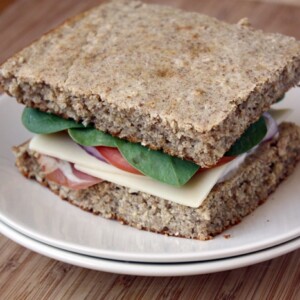
Very interesting recipe! And you say it holds up well in a sandwich? Talk about easiest bread ever!