
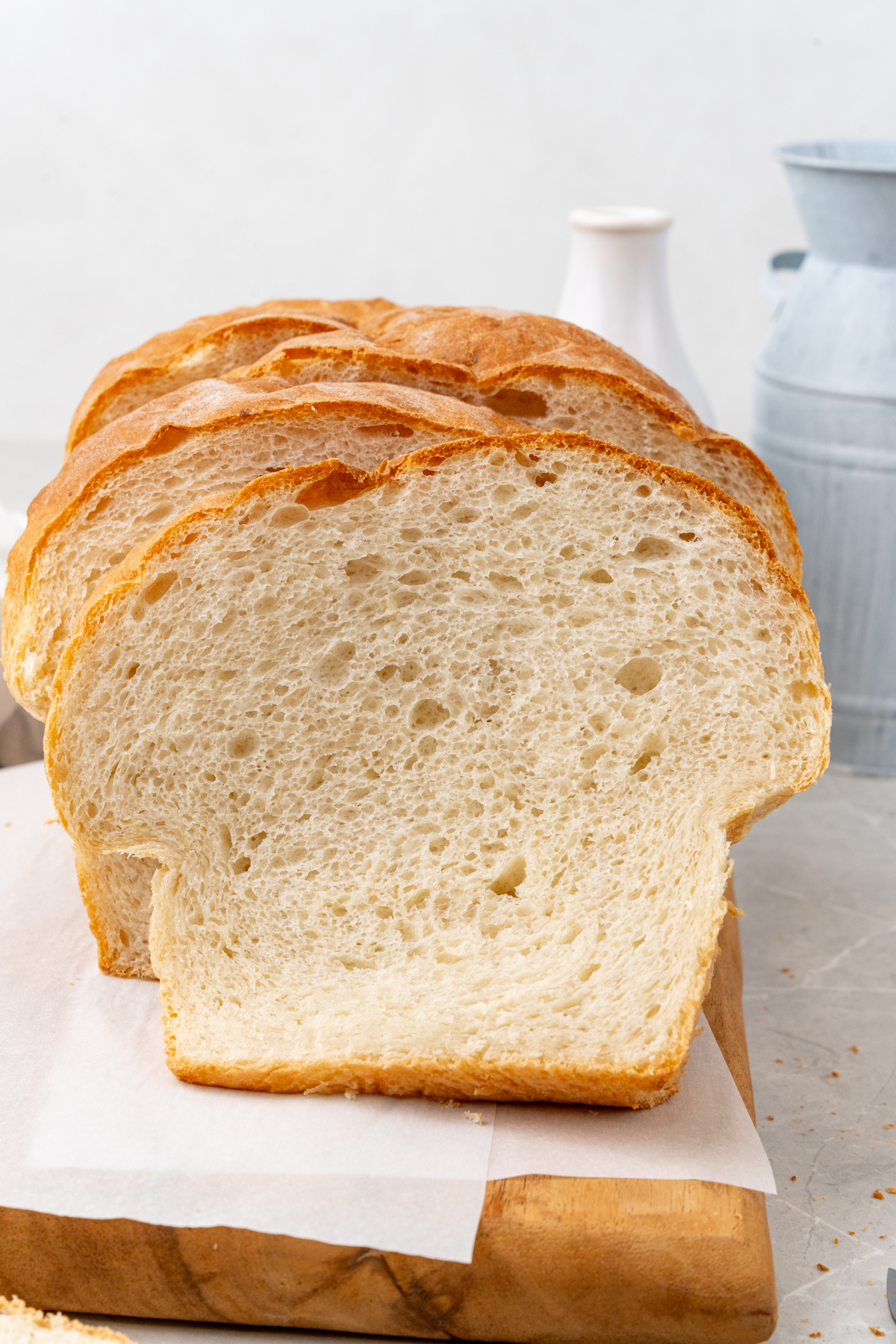
Homemade Potato Bread is a soft, fluffy loaf made with mashed potatoes for exceptional moisture and tenderness. The simple dough comes together easily by hand and bakes up pillowy with minimal effort.

A Quick Look At The Recipe
This is a brief summary of the recipe. Jump to the recipe to get the full details.
Prep Time
20 minutes
Cook Time
30 minutes
Proof Time
2 hours
Total Time
2 hours 50 minutes
Servings
12 slices
Difficulty
Straightforward steps with simple shaping; approachable for beginner bakers.
Calories *
228 kcal per serving
Technique
Boil potatoes, mash until smooth, knead the dough, rise until doubled, shape into a loaf, proof again, and bake until golden
Flavor Profile
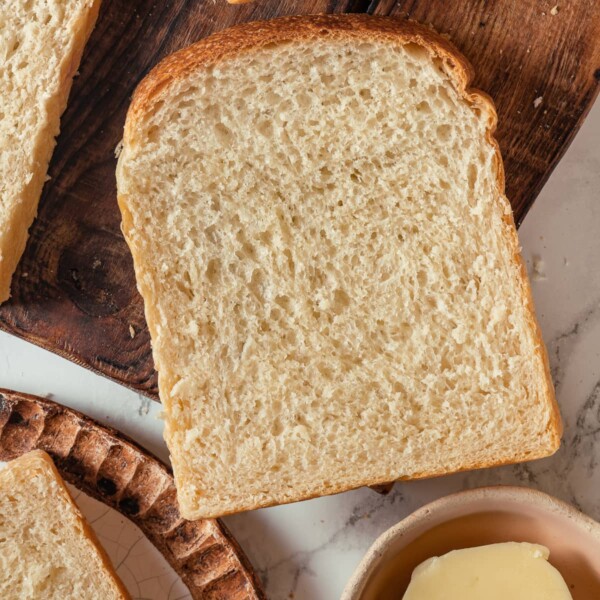
Soft, moist, tender, slightly sweet, pillowy crumb and subtle earthy potato notes
* Based on nutrition panel
I’ve made this recipe at least 30 times. I love it. The texture and flavor are amazing, and the shelf stability is outstanding, as it stays fresh for several days. ⭐⭐⭐⭐⭐
Mark from KC
Why You’ll Love This Potato Bread Recipe
- Simple pantry staples: Mashed potatoes add incredible moisture and starch, resulting in a tender crumb that stays fresh longer. The recipe calls for basic ingredients like flour, yeast, oil, and salt, so just peel and boil a few russets to get started.
- No Fancy Equipment Needed: You don’t need a stand mixer, hand mixer, or bread machine to get professional results. This dough is forgiving and easy to handle, meaning you can mix and knead everything entirely by hand.
- Perfect for leftovers: Don’t let those plain mashed potatoes sit in the refrigerator! This recipe transforms yesterday’s side dish into a fresh, aromatic loaf without stress.
Table of Contents
Think of this potato bread as a softer cousin to classic brioche loaf. While many artisan breads rely on a hard, crusty exterior, this loaf is defined by its irresistible tenderness. Its balanced flavor and soft bite make it absolute perfection for everything from simple morning toast to rich brioche French toast or panera turkey bacon bravo sandwich.
It rivals the tenderness of my hawaiian bread and is just as comforting as my loaded baked potato bread or multigrain bread. Once you get hooked on homemade bread, check out my whole wheat bread or tomato basil bread next!
Ingredients & Substitutions
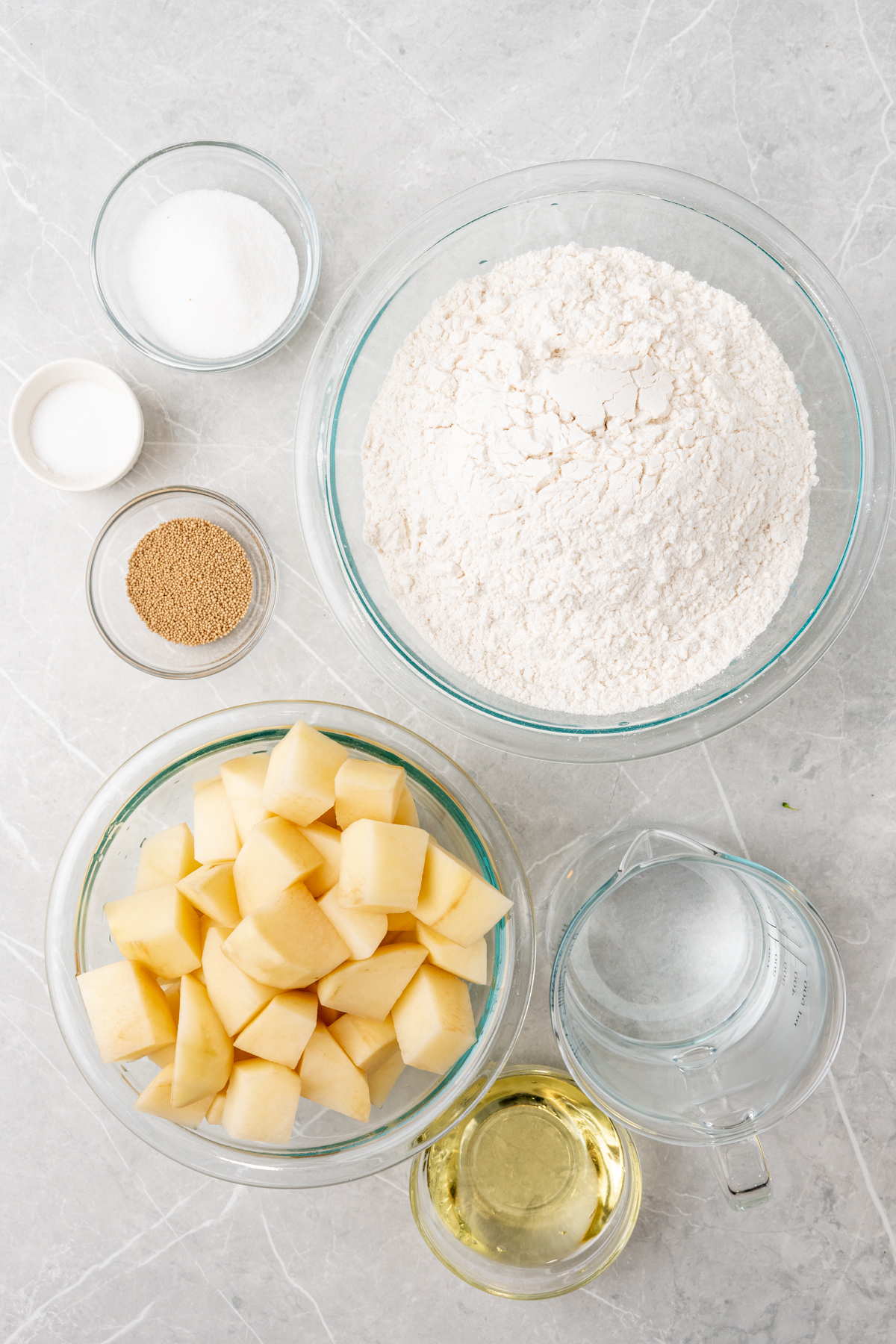
- Russet potatoes: I strictly recommend high-starch potatoes like Russets (or Idaho) because they break down into a fluffy mash that creates a light, airy crumb. Avoid waxy potatoes (like Red Bliss or fingerlings); their low starch content creates a gummy, heavy dough.
- Warm water: Temperature is crucial here. Aim for 105°F, should feel warm to the touch, but not hot. While yeast can survive slightly higher temperatures, water that is too hot makes the dough slack and overly sticky.
- Granulated sugar: Feeds the yeast and adds a hint of sweetness.
- Active dry yeast: Helps the dough rise, creating a soft, airy structure. You can substitute this with an instant yeast.
- Vegetable oil helps add moisture. Olive oil or avocado oil can be used.
- Bread flour is perfect for a light, airy, and elastic crumb. All-purpose flour works, though it’ll be slightly denser.
Variations
- Cheese: Cheddar is a classic choice, adding savory depth and pockets of melty richness.
- Herbs: Fresh or dried rosemary, thyme, or sage infuse the bread with aromatic, earthy undertones.
- Sweet Potatoes: Try it with sweet potatoes! Use my sweet potato dinner rolls as inspiration.

Professional Tips
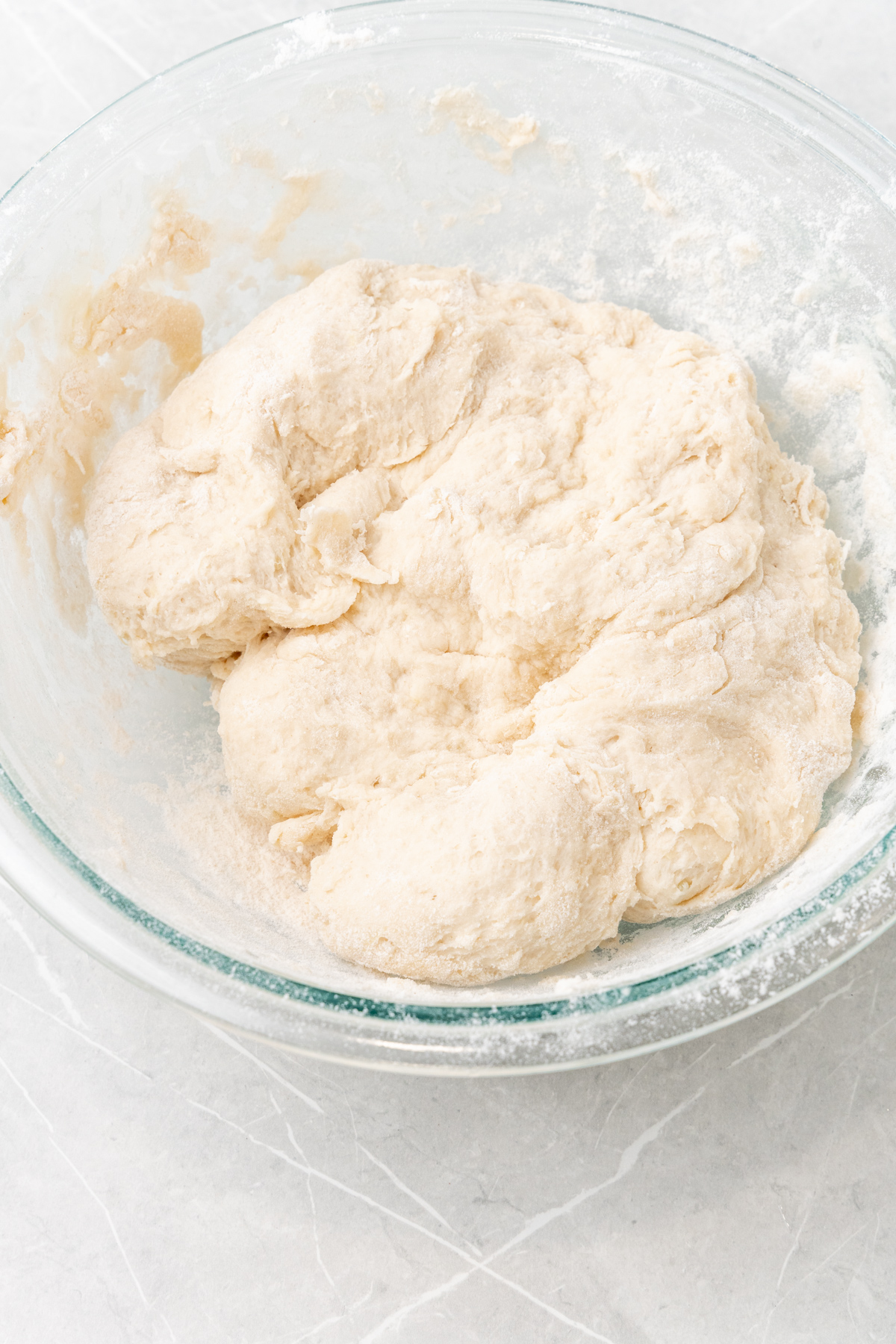
- Trust the tackiness: Potato dough behaves differently than standard white bread dough; it is naturally stickier.
- Resist the urge to add too much flour. Stop adding flour when the dough clears the sides of the bowl but still sticks slightly to the bottom.
How to Make Potato Bread
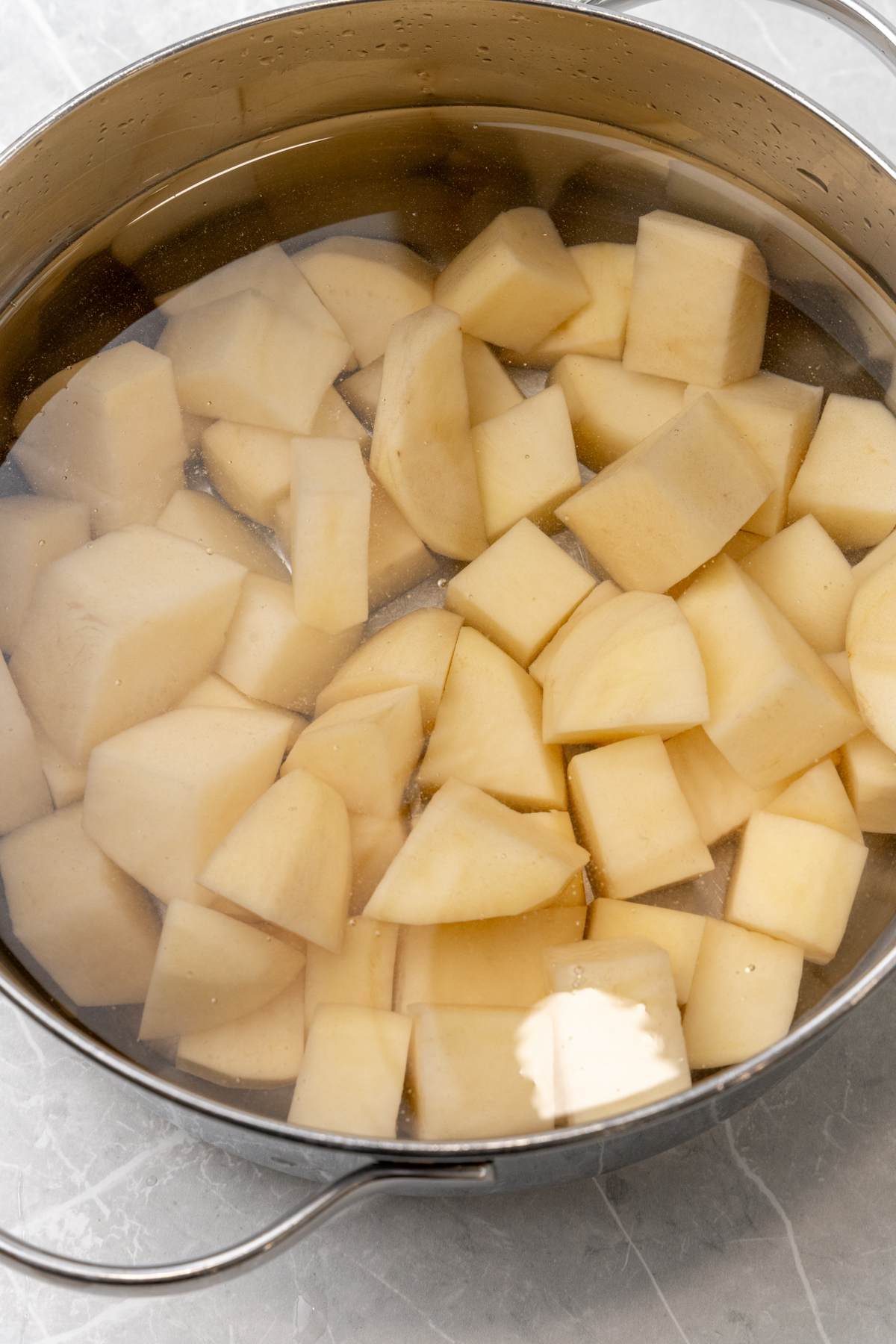
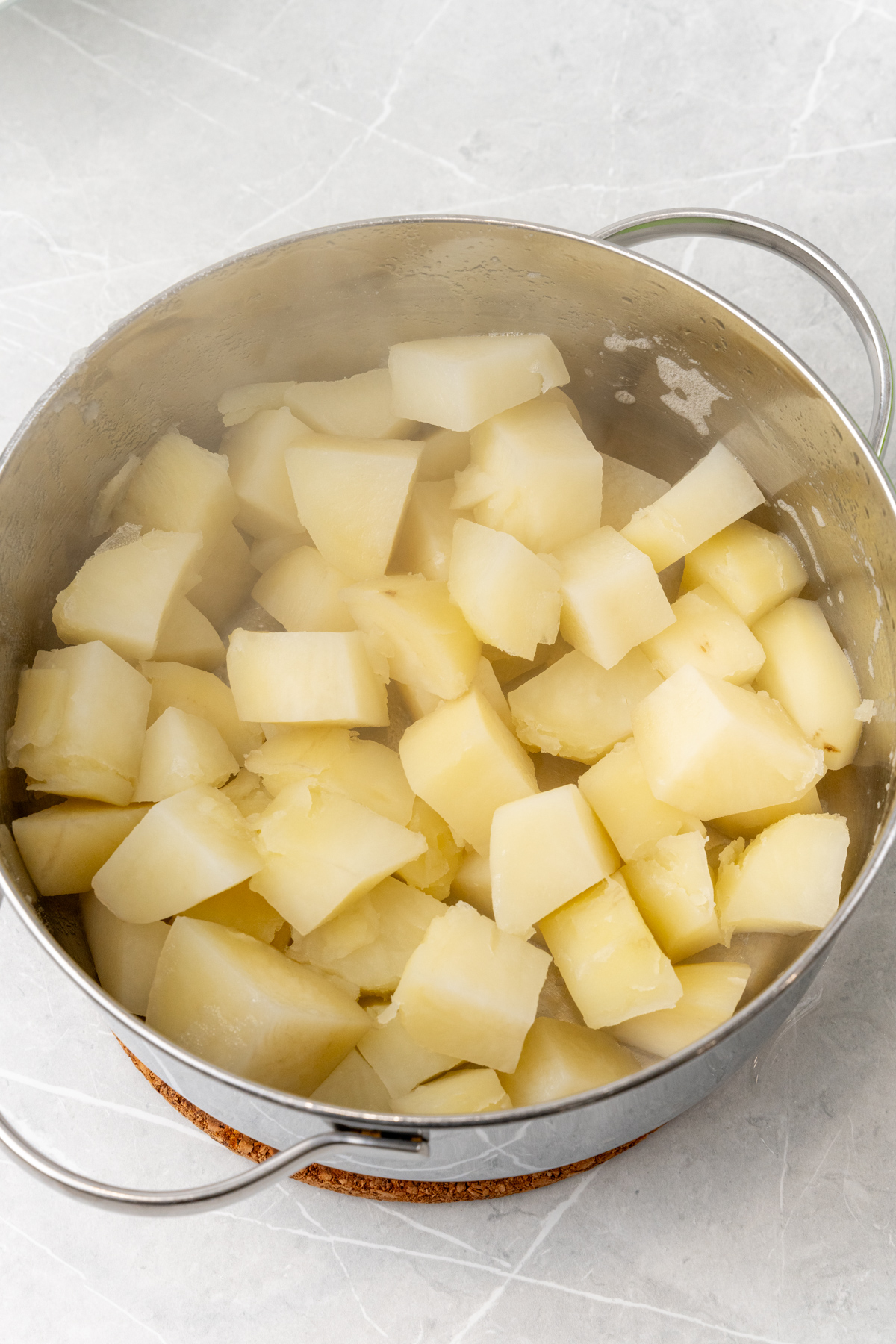

Step 1: Boil and mash the potatoes. Place the diced potatoes in a saucepan and cover with cold water. Bring to a boil and cook until fork-tender. Drain thoroughly and mash until completely smooth. Let the mashed potatoes cool to room temperature to avoid the bread from becoming tough.
Save the starchy water from boiling your potatoes! You can use it in place of the regular warm water in the recipe. The extra starch helps feed the yeast and creates an even softer, more tender crumb. Just be sure to let it cool to 105°F before using.
Make the Dough
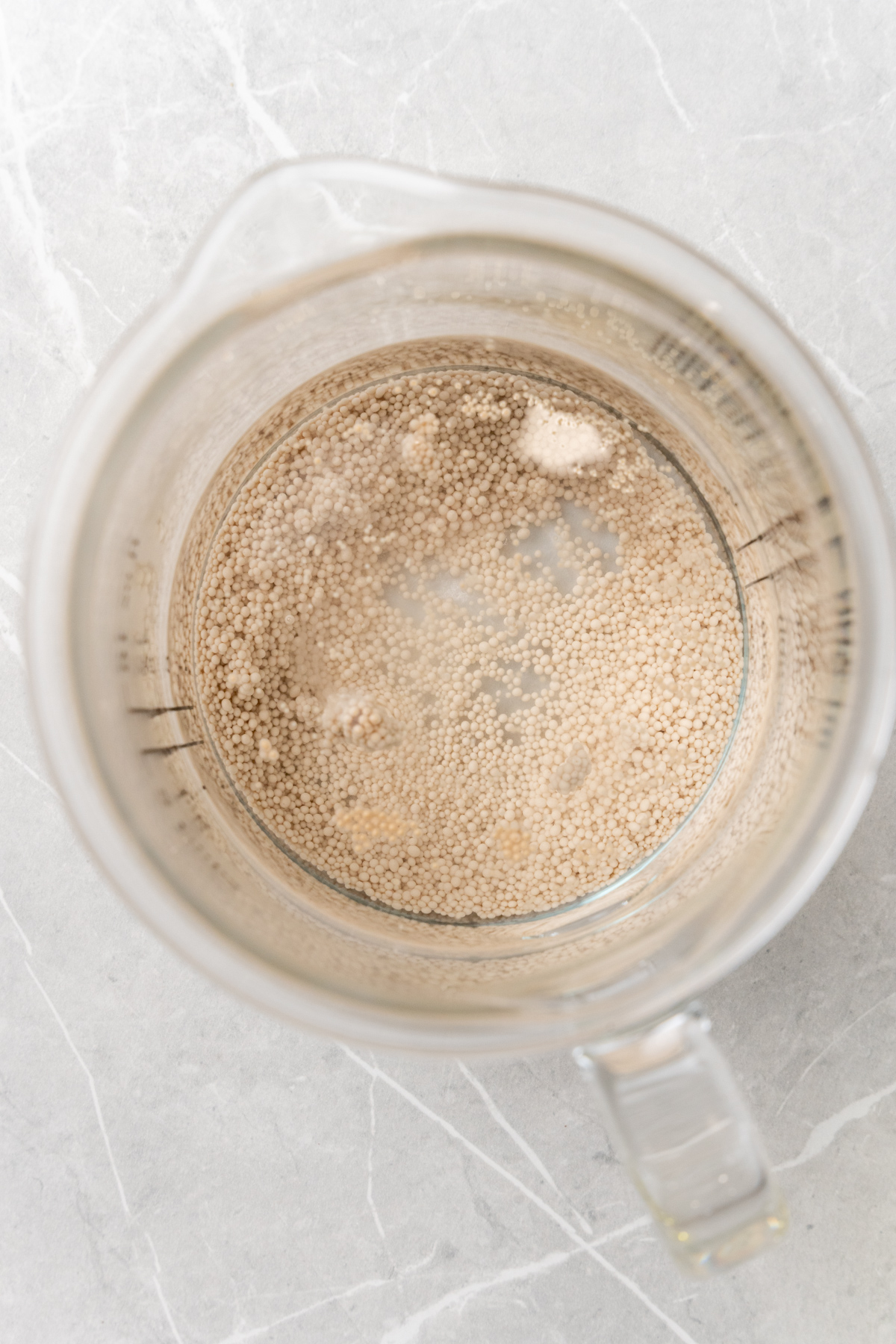
Step 2: Activate the yeast. In a small bowl, whisk the warm water with sugar. Sprinkle the active dry yeast over the surface and let it sit for 5 to 10 minutes, until foamy and fragrant.
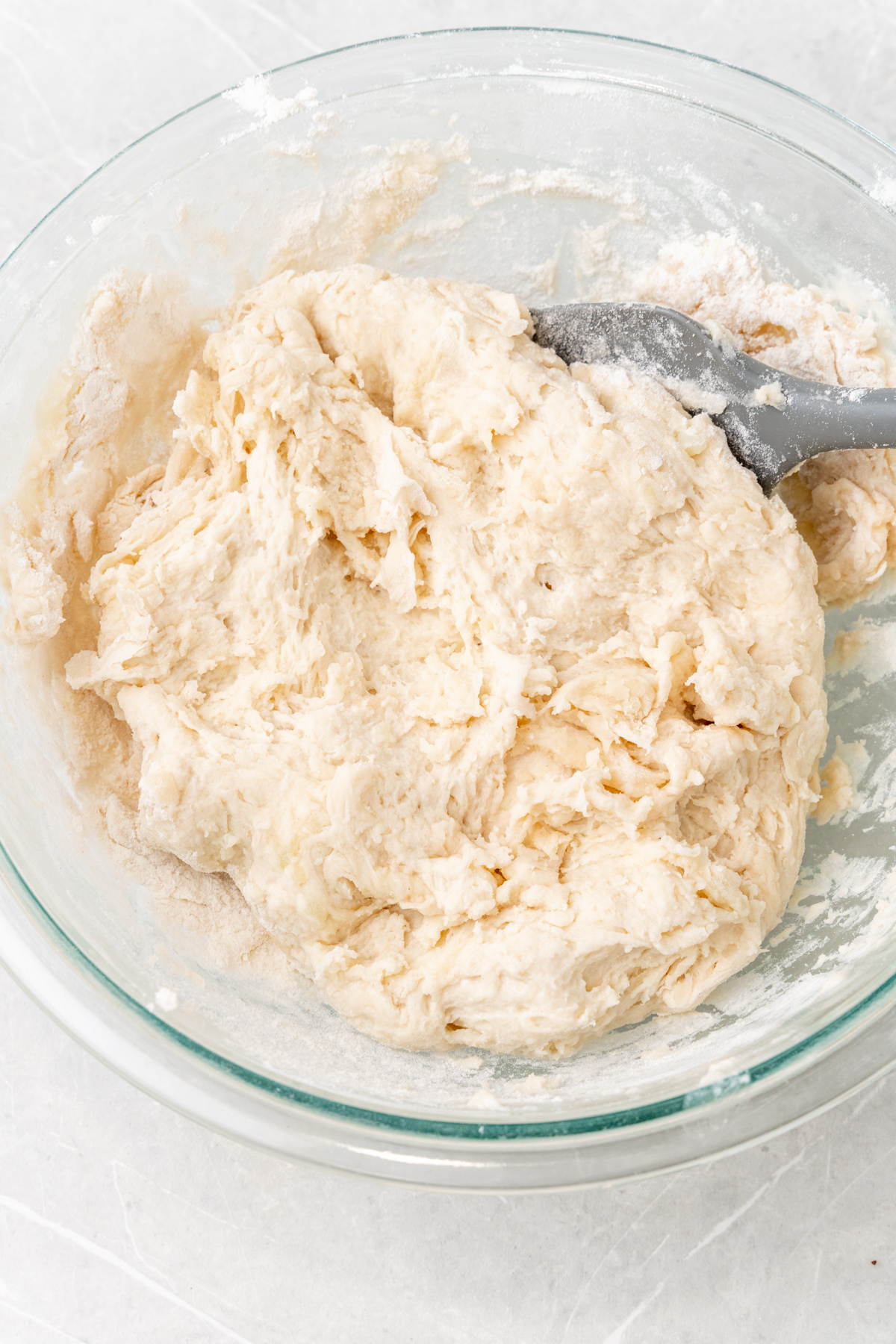
Step 3: Mix the dough. In a large bowl, combine the cooled mashed potatoes, liquid yeast mixture, oil, salt, and 2 cups of bread flour. Stir until well combined.
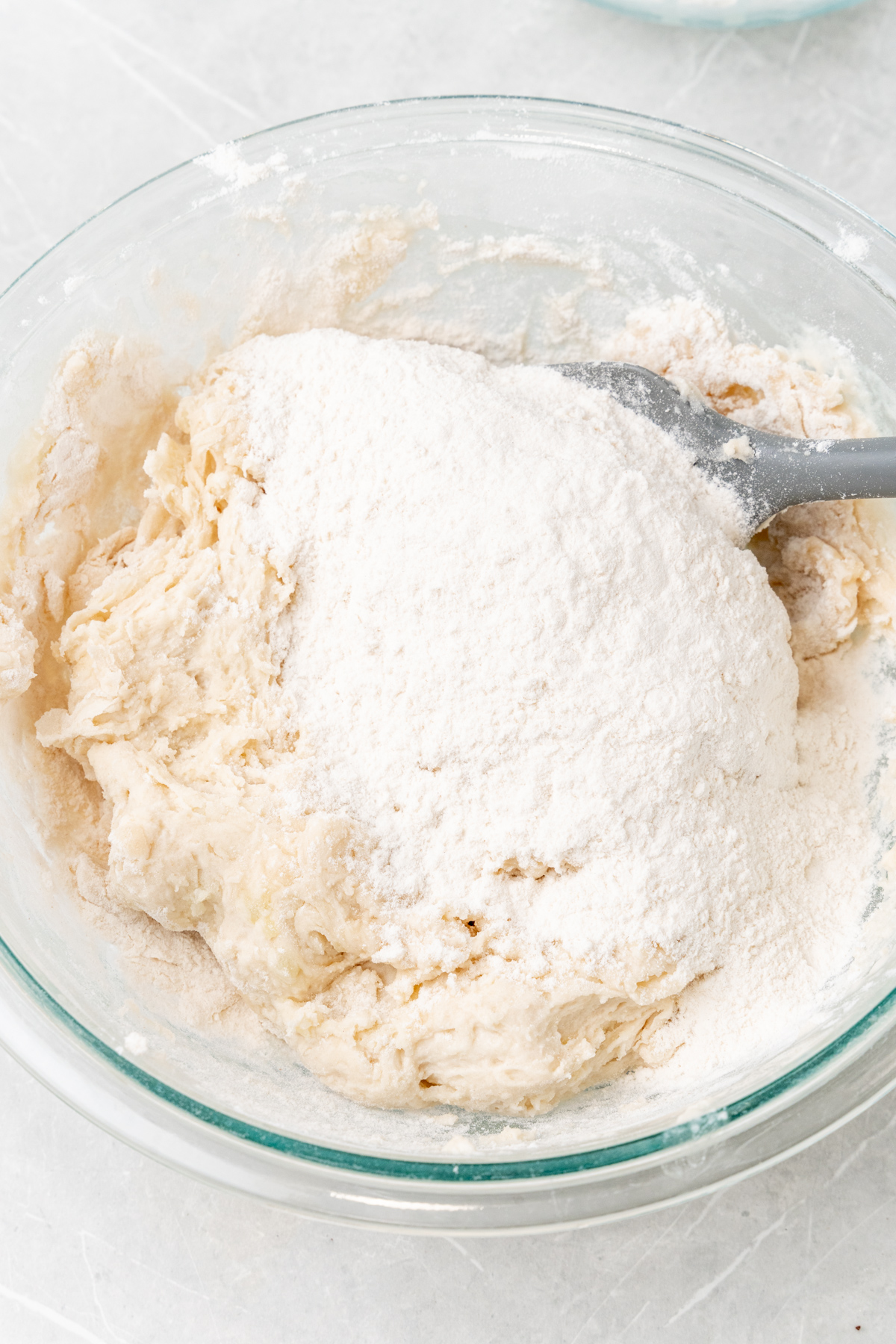
Step 4: Gradually add the remaining flour, about ½ cup at a time, until a soft, slightly tacky dough forms.
The exact amount of flour may vary depending on the moisture content of your potatoes, the dough should feel soft and slightly sticky to the touch.
Step 5: Knead the dough. Turn the dough onto a lightly floured surface. Knead for 5–7 minutes, until smooth and elastic.
Don’t overmix the dough. Overmixing will develop the gluten in the dough, which will make the bread tough. Proper kneading gives the bread structure while keeping the crumb tender. You should be able to gently stretch the dough without it tearing.

Rise the Dough
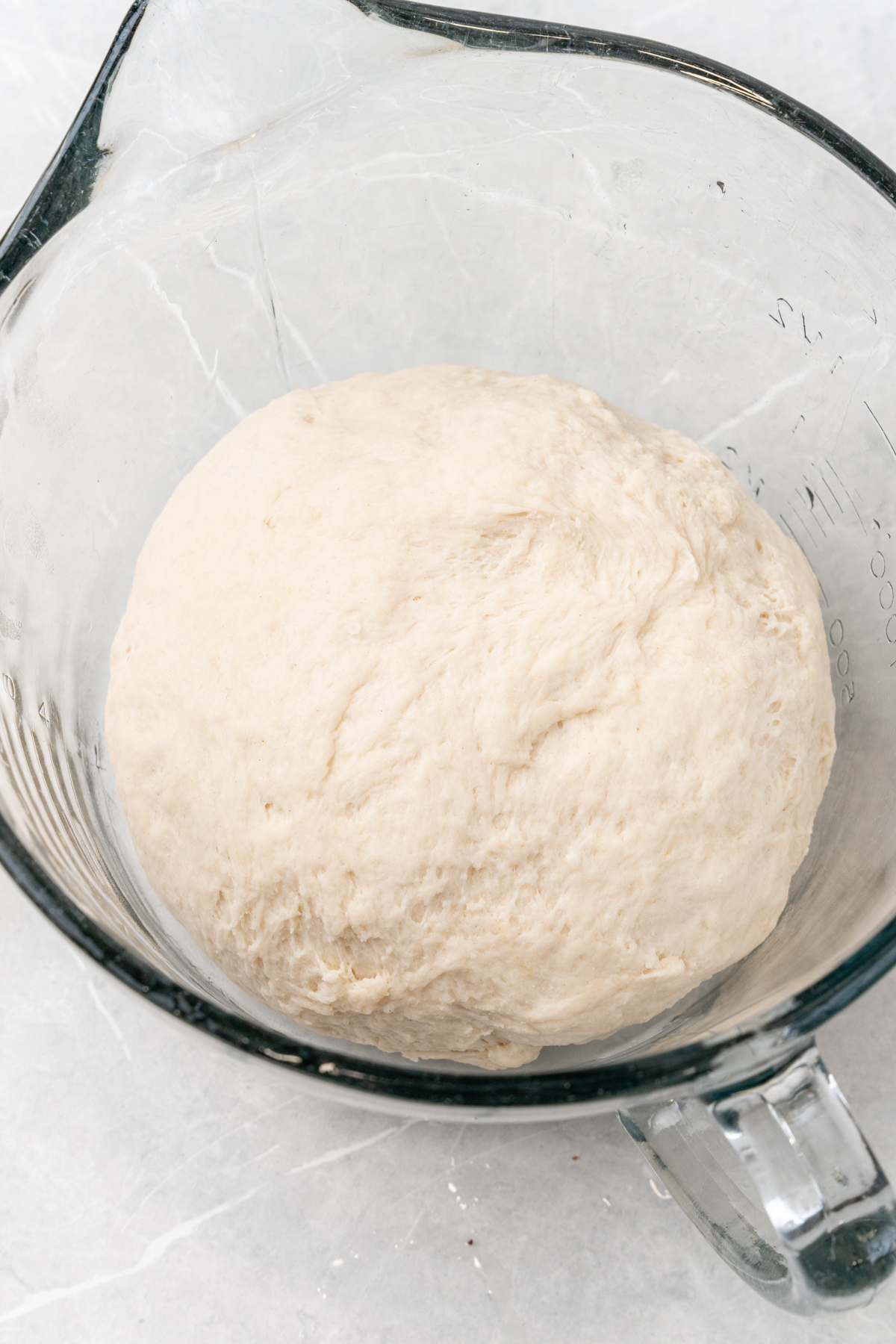
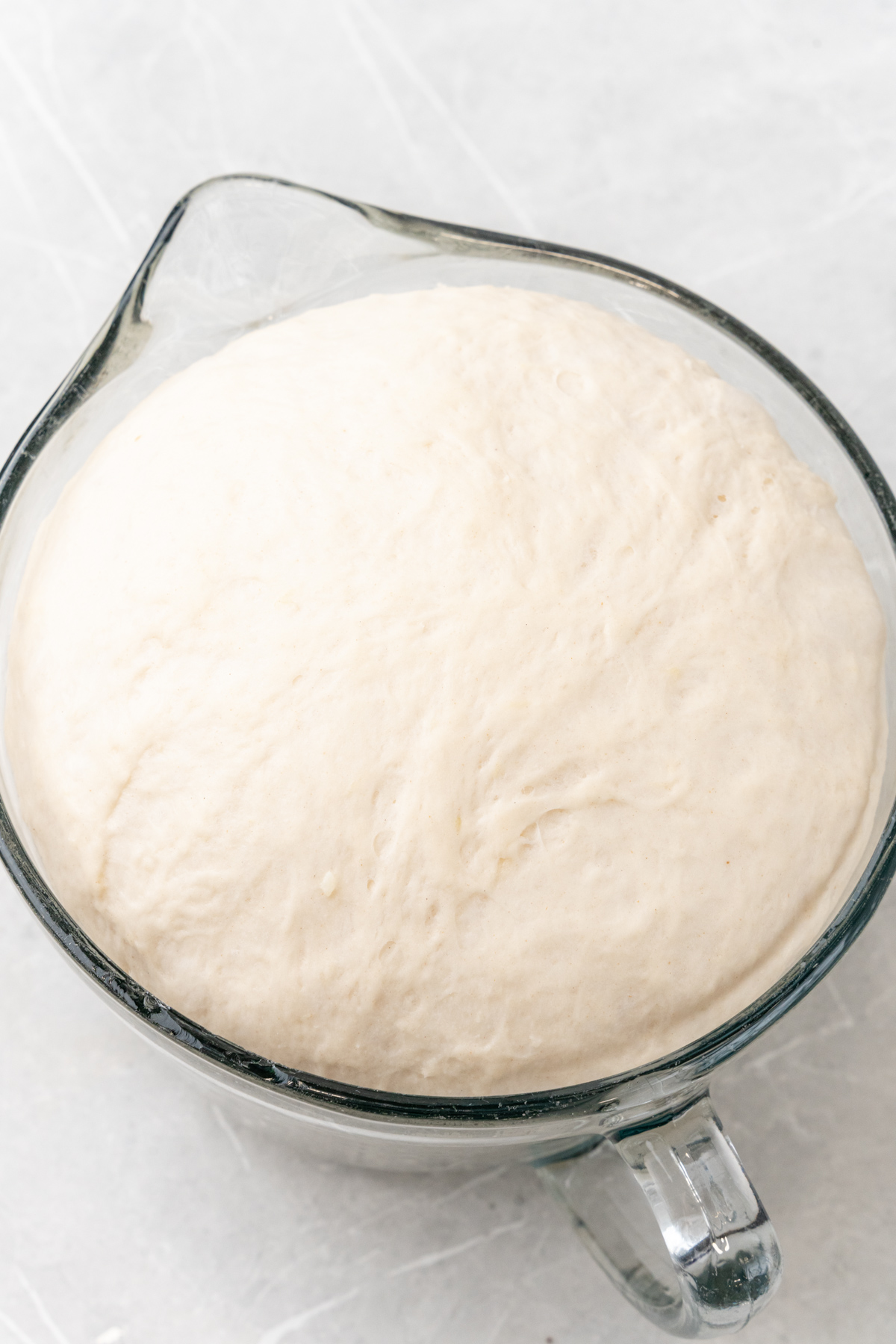
Step 6: First rise. Shape the dough into a ball and place it in a lightly greased bowl. Cover with a clean kitchen towel or plastic wrap and let it rise in a warm spot, until doubled in size, about 1 hour. The dough should feel airy and soft to the touch.
Shape and Bake the Dough
Step 7: Gently punch down the dough to release excess air. Transfer to a lightly floured surface and knead gently just to redistribute air.
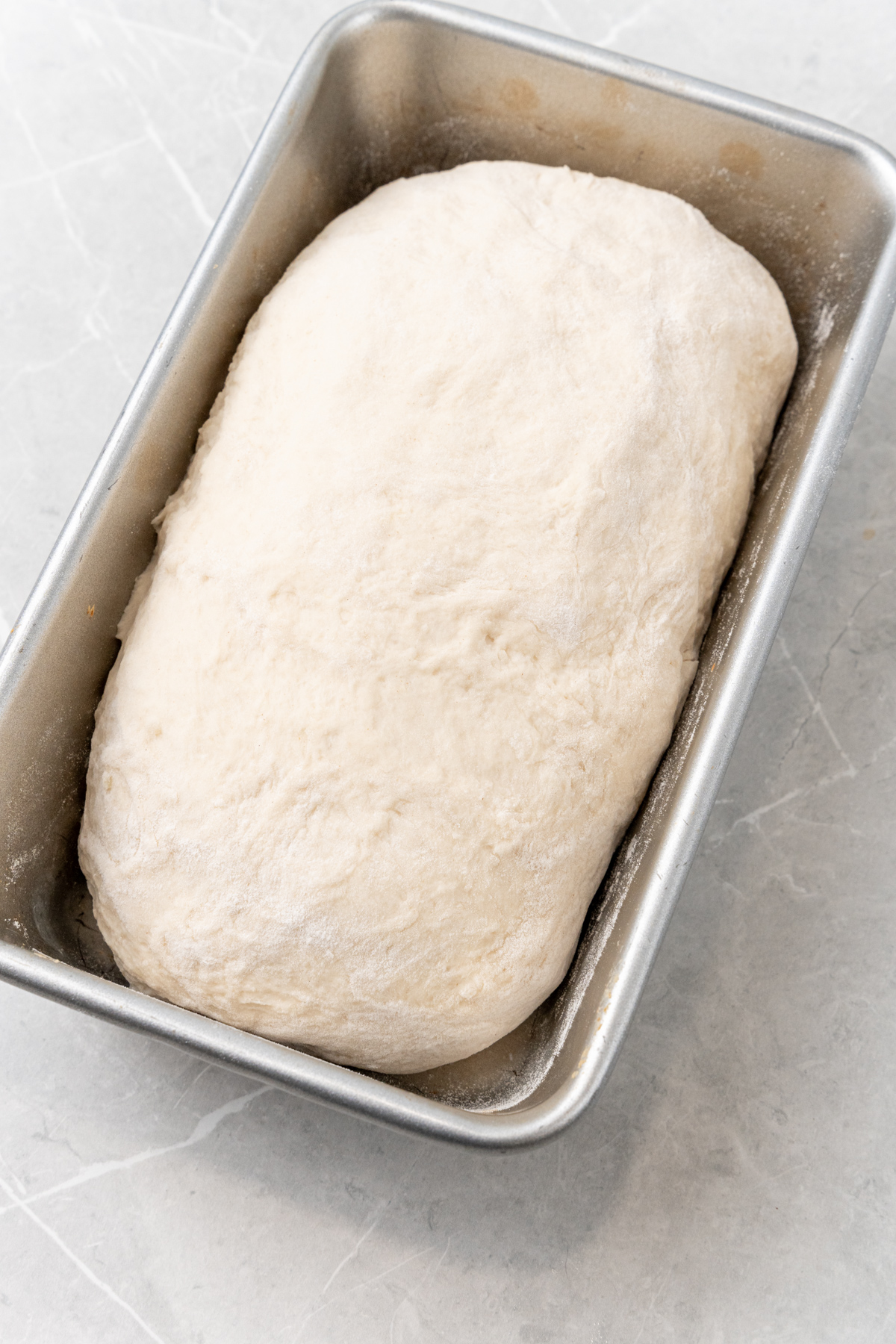
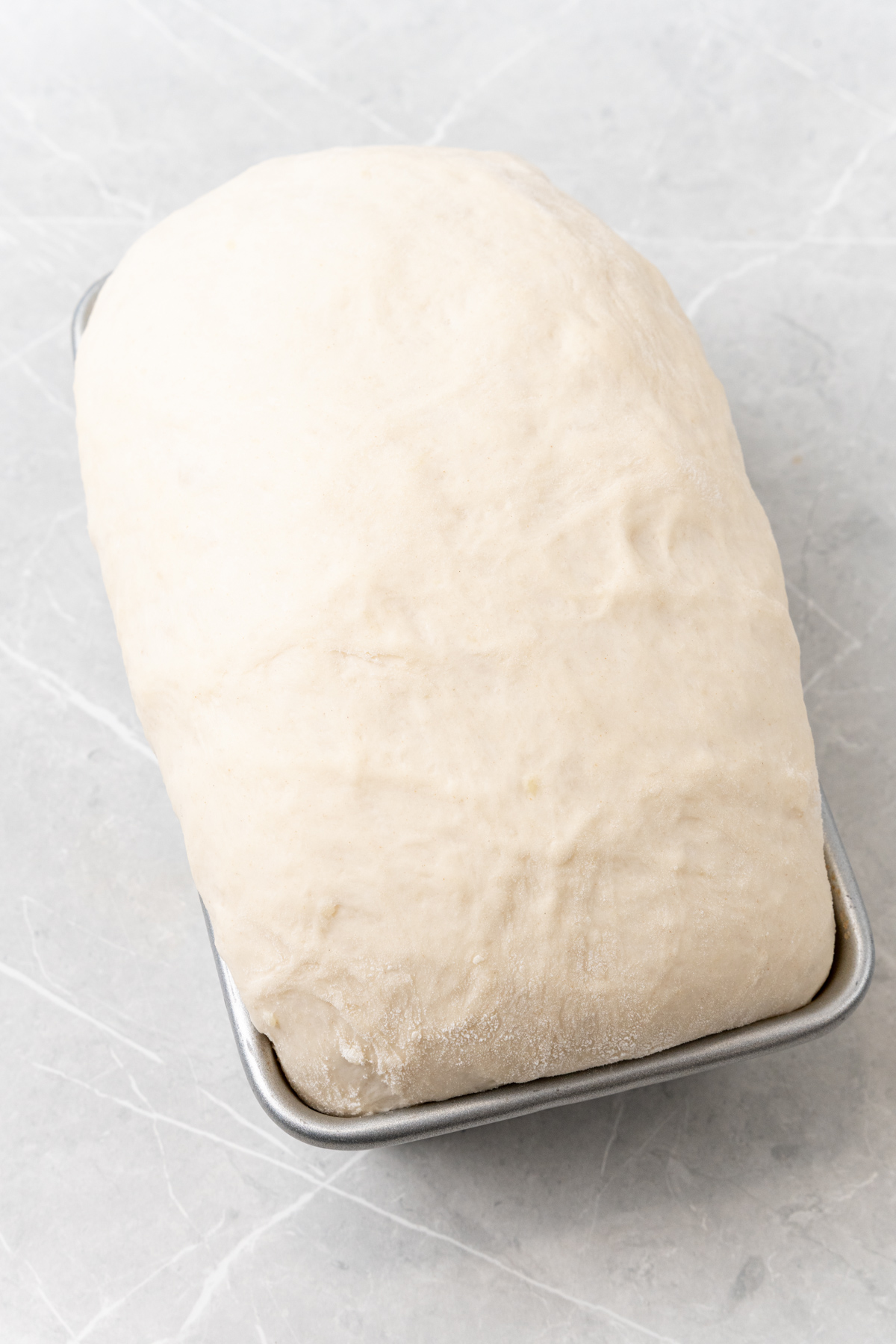
Step 8: Shape the dough into a loaf and place it in a greased 9×5-inch loaf pan. Cover and let rise again for 30–45 minutes, until it reaches just above the rim of the loaf pan.
Step 9: Preheat the oven to 375°F (190°C) while the dough is in its second rise.
Step 10: Bake the loaf for 30–35 minutes, until the top is a rich golden brown and it sounds hollow when tapped on the bottom.
The crust should be lightly crisp while the interior remains soft, tender. For the most accurate result, check the internal temperature with a thermometer; it should reach 190°F. Don’t overbake the potato bread. Overbaking will dry the crumb.
Step 11: Remove the bread from the oven and let it cool in the pan for a few minutes. Remove from the pan and transfer to a wire rack.
Allow the bread to cool completely on a wire rack before slicing. Cutting too early can compress the crumb and make slices gummy.
Serving: It is delicious plain, but the slight sweetness of the potatoes pairs perfectly with spiced spreads! Try it toasted with a generous smear of pumpkin Butter or apple butter.

Recipe FAQs
Store at room temperature, wrapped tightly, for up to 3 days. For longer storage, slice and freeze individual pieces for up to 1 month. Thaw at room temperature or toast directly from frozen.
While you can use instant potato, fresh mashed potatoes provide superior moisture retention and a depth of flavor that creates a truly bakery-quality loaf.
Potato bread is generally healthier than white bread. Thanks to the added mashed potatoes, it offers more fiber, potassium, and Vitamin E than refined wheat bread, though the calorie and carbohydrate counts are similar.
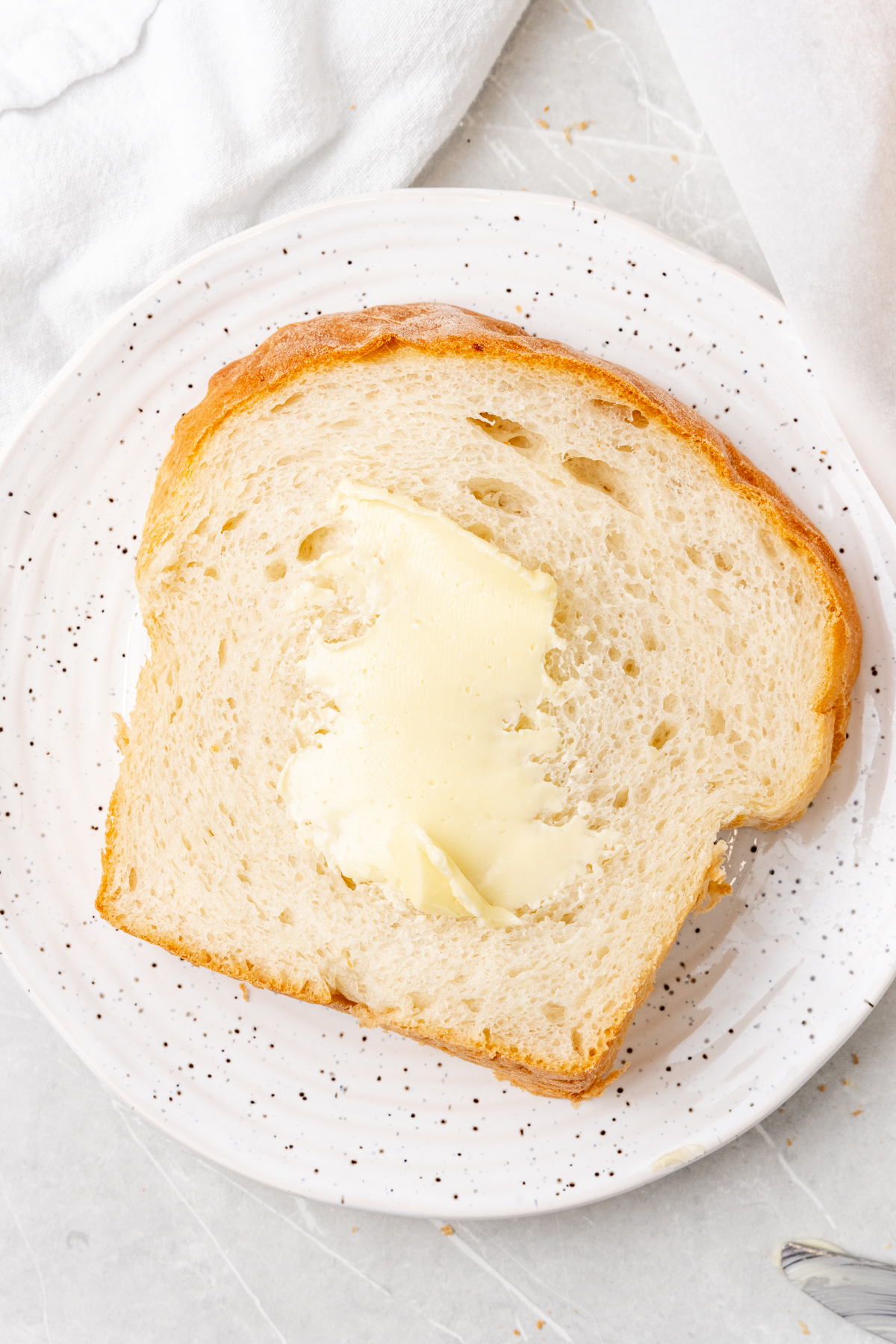
Recommended Bread Recipes
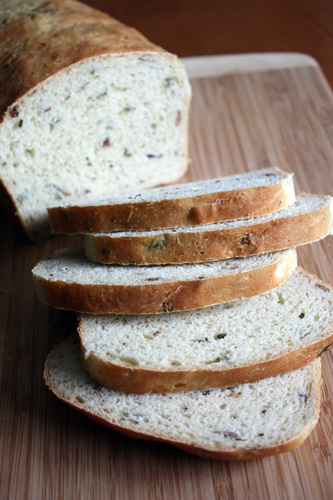
Yeast Breads

Yeast Breads

Yeast Breads

Yeast Breads
If you enjoyed this recipe, please leave a star rating and let me know how it goes in the comments below! I love hearing from you and your comments make my day!
Potato Bread
Ingredients
- 2 medium russet potatoes, peeled and diced
- 1 cup warm water
- 2 tablespoons sugar
- 2 ¼ teaspoons active dry yeast, 1 packet
- ¼ cup vegetable oil
- 1 teaspoon salt
- 4 cups bread flour
- Additional flour for dusting
Instructions
- Place the diced potatoes in a saucepan and cover with cool water. Bring to a gentle boil and cook until the potatoes are fork-tender. Drain the potatoes, mash them until smooth, and let it cool to room temperature.
- In a small bowl, combine warm water and sugar. Sprinkle the yeast over the mixture and let it sit for about 5 minutes, or until foamy.
- In a large mixing bowl, combine the cooled mashed potatoes, yeast mixture, vegetable oil, salt, and 2 cups of bread flour. Stir well to combine.
- Gradually add the remaining flour, 1/2 cup at a time, until a soft dough forms. You may need slightly more or less flour, depending on the moisture content of the potatoes.
- Transfer the dough to a lightly floured surface and knead for about 5 to 7 minutes, or until the dough becomes smooth and elastic.
- Shape the dough into a ball and place it in a greased bowl. Cover with a clean kitchen towel and let it rise in a warm place for about 1 hour, or until doubled in size.
- Gently punch down to deflate the risen dough to release any air bubbles. Transfer it to a lightly floured surface and knead gently to remove any excess air.
- Shape the dough into a loaf and place it in a greased 9×5-inch bread pan. Cover with the kitchen towel and let it rise for another 30 to 45 minutes, or until it reaches just above the rim of the pan.
- While the dough is in its second rise, preheat the oven to 375°F (190°C).
- Bake the potato bread in the preheated oven for 30 to 35 minutes, or until the top is golden brown and the loaf sounds hollow when tapped, or internal temperature reaches 190°F.
- Remove the bread from the oven and let the loaf cool in the pan for a few minutes, then transfer to a wire rack to cool completely before slicing.
- Finally, once cool, slice and serve!
Notes
Nutrition
Nutrition information is automatically calculated, so should only be used as an approximation.
 Like this recipe? Rate & comment below!
Before You Go
Looking for more classic yeast breads? Don’t miss my reader-favorite no knead dutch oven bread, classic italian bread recipe, or learn how to make the sourdough bread. For a sweeter treat, try my cinnamon scone bread or moist banana bread muffins!


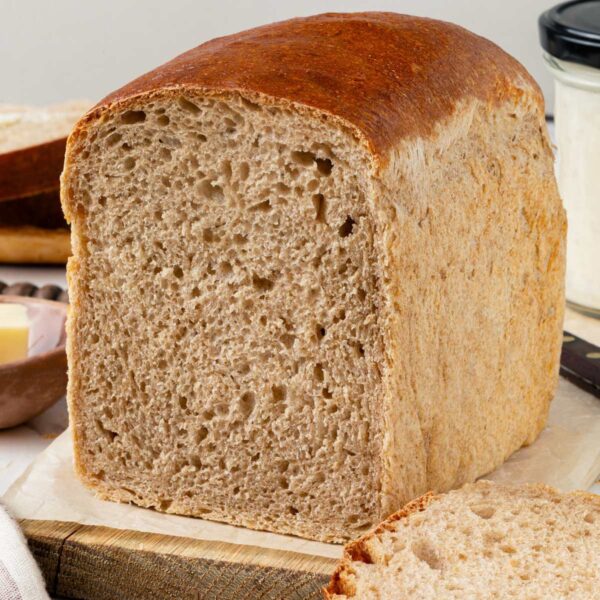
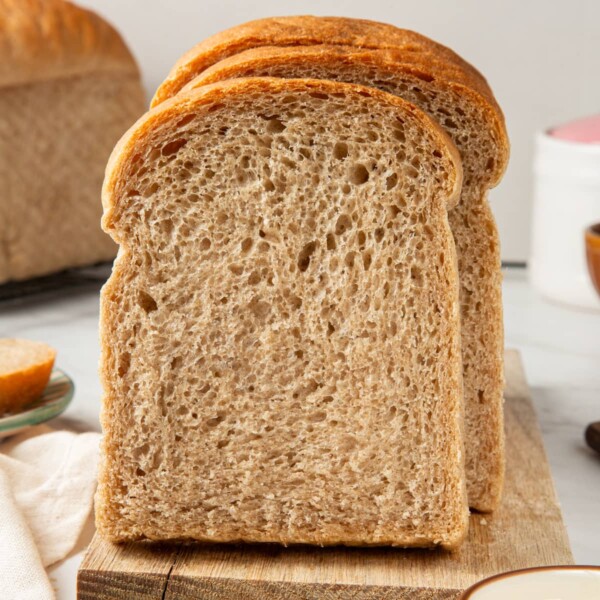
My dough never raised. I used the suggested amounts of 1 3/4 c of both flour & potatoes but the dough is more like my gnocchi dough than bread. My yeast doesn’t expire until 2026, so I can’t figure it out.
This is my first try at gluten free bread, having made all types of breads & rolls for years. What a disappointment.
I’m adding more flour & putting it back in a moist oven for another hour. Hopefully the amount substitutions were the problem.
Hi Deb, You mention that this is your first try at gluten free bread but this isn’t a gluten free recipe. Yeast consume sugar, part of which is from the flour. There is another issue with trying to make a yeast-risen gluten free bread, and that is that the gluten structure is what traps the gasses produced by the yeast and thus leavens the bread. Your bread didn’t rise because there was no way for the bread dough to trap the air. Even if it did rise slightly when proofing, it would flatten after baking because, again, you need the gluten structure to trap the gasses.
If you did use glutenous bread flour as the recipe calls for, you could still have a wet dough depending on how wet your mashed potatoes were. That, unfortunately, is the variable here. It also isn’t my recipe, so I was merely trying to help other commenters with a volume measurement for the mashed potatoes. The recipe also calls for 4 cups of bread flour not 1 3/4
I really don’t appreciate you posting 2 negative reviews within the span of 5 hours accusing us of only posting positive reviews. One must also ask themselves, if the recipe worked for hundreds of others, perhaps, could the issue be with something I did? Rather than lambasting the blogger, perhaps consider other possibilities as well. Also technical comments are reviewed by me personally, rather than a member of my team. I am a mother and I run 2 businesses, I don’t always get to them as quickly as you might like.
How manu cups of mashed potatoes do you use?
Hi Mary, I know that is very frustrating. I am the new owner and this particular recipe was developed by a third party, so I do not know. I have asked her for more details, but until then I can tell you that my potato roll recipe uses 1 3/4 cup mashed potatoes for about the same amount of flour. I will report back when I get more details or I remake the recipe myself.
I’ve made this recipe at least 30 times. I love it. The texture and flavor are amazing, and the shelf stability is outstanding, as it stays fresh for several days.
I use 175g leftover mashed potatoes per loaf. If I use leftover mashed potatoes that I’ve frozen, a little more water separates from the potatoes so I often have to add 20-30g more flour or the dough gets too sticky.
Hi Mark! Wow! 30 loaves! That makes my baker heart so happy. I love that you’ve tested it with frozen mashed potatoes too, that’s such a great tip about adding a bit more flour when extra moisture separates. Happy baking! ~gvd team
Just starting to proof! I used the potato water for the liquid and increased the sugar to 1/2 tbsp as like a slightly sweeter bread. Although really don’t like Hawaiian rolls. The dough was soft and slightly sticky but not a game changer. Thanks for the recipe. Reminds me of my Hungarian grandmother’s potato rolls which I loved as a child with her homemade strawberry jam.
That sounds great! Good idea using the potato water for the liquid! ~lindsey
Easy and soft! The kids prefer this to store bought!
Hi Herb! That’s what we like to hear! Thanks for taking a moment to comment, and happy baking! ~gvd team
Great recipe, lucky enough I have bread making experience, I found that I almost use two cups of water, my bread flour is quite strong and can handle the extra hydration, for those that worry about how much potato is used, I don’t go by weight I find a generous handle full of mash is enough or a cup, anything more and the bread will have way too much moisture. I divide the dough by using a kitchen scale, for it can easily be split and put into two bread tins. I definitely take the bread out at 40mins or slightly just over, really depends on the weather and how hot your water was blooming the yeast.
Happy baking
Hi Joany!
Love to be in community with fellow bread nerds! Thanks for leaving a comment with your experience and taking a moment to rate. Love that you love this recipe, and happy baking to you too!
This came out beautifully! I used one russet potato, slightly on the larger side of most russets, and I used the water from the potato boiling. I also do not spoon and level because I find it tedious. Instead I used scant cups, although I made this on a rainy day so it was humid enough, plus the potato was on the large side. Everything else was exactly to the recipe.
I’m so happy to hear that Ann! Thank you for taking the time to come back and comment and rate!
Hi, I have same question as another person. I’m using leftover mashed potatoes – how many cups would 2 potatoes be? 1 cup, 1.5, 2?
Hi Margaret, I know that is very frustrating. I am the new owner and this particular recipe was developed by a third party, so I do not know. I have asked her for more details, but until then I can tell you that my potato roll recipe uses 1 3/4 cup mashed potatoes for about the same amount of flour. I will report back when I get more details or I remake the recipe myself. Best, Lindsey
This bread looks delicious and so fluffy! I have to try it – I never tried potato bread before 🙂
Hi! If I wanted to use leftover mashed potatoes, do you have a measurement for how much the russet in your recipe add to the dough? Two cups? Two and a half cups? Thanks.
Hi Ceralee, I know that is very frustrating. I am the new owner and this particular recipe was developed by a third party, so I do not know. I have asked her for more details, but until then I can tell you that my potato roll recipe uses 1 3/4 cup mashed potatoes for about the same amount of flour. I will report back when I get more details or I remake the recipe myself. Best, Lindsey
“This potato bread recipe is a game-changer! I never thought mashed potatoes could make bread so incredibly soft and flavorful. The texture looks amazing, and I can almost smell that freshly baked aroma just by looking at the pictures. I can’t wait to try making this at home and savoring the comforting taste of homemade potato bread. Thanks for sharing this fantastic recipe!”