
Sourdough discard recipes are the best way to make sure nothing from your starter goes to waste —turning what you’d otherwise throw out into pancakes, crackers, pizza dough, cinnamon rolls, and more. As a pastry chef, I’ve sorted every recipe below by the age of your discard so you always know
exactly what to make with what’s in your jar. Whether your discard is fresh from today’s feeding or has been sitting in the fridge for weeks, there’s a recipe here that will work perfectly.
If you’re wondering what to do with sourdough discard, you’re in the right place. This is the most organized collection of sourdough discard recipes you’ll find — and it’s built differently. Rather than a generic list, every recipe below is sorted by the age of your discard, so whether you have fresh discard from today’s feeding or an old jar that’s been sitting in the fridge for weeks, you’ll know exactly where to look. You’ll find easy sourdough discard recipes ready in under an hour — fluffy pancakes, crispy crackers, soft biscuits — alongside overnight and long-ferment options for when you want maximum tang and depth. As a pastry chef, I’ve tested every recipe here with real discard at every stage, so you can skip the guesswork and just bake.
I’ve sorted every recipe below by discard age so you can skip straight to what works for what’s in your jar right now. If you’re just starting out, begin with my sourdough starter recipe, then follow my how to feed sourdough starter, and come back here when you have something to use up.
What do you want to make?
–Quick breakfast (pancakes, waffles, muffins) — use fresh discard.
-A snack or something savory (crackers, pizza): use fresh or old discard.
–Something sweet (cookies, banana bread): use fresh or old discard.
– Clear out old fridge discard: use old discard.
–Make a full sourdough loaf: see the Substituting section below.
Table of Contents
What Are the Best Easy Sourdough Discard Recipes?
This is one of those cooking questions that doesn’t have a right or wrong answer. However, my professional opinion is that the best things to make with sourdough discard are baked goods that you would have made regardless, and those that aren’t negatively altered by discard.
When choosing a sourdough discard recipe, there are several important questions to consider:
- Do you want the discard to do the leavening? If so, you’ll want to use more recently fed sourdough discard (within 36 hours) in recipes that call for active starter or commercial yeast or a combination of both. Relying on discard to raise quick breads, muffins or batters often leaves you with an unappealing texture that is chewy and dense as well as an overpowering sourdough flavor. It is best to use discard along with a chemical leavener to achieve the best flavor and texture.
- Do you want a strong flavor of sourdough? If you welcome the strong flavor of sourdough, then you can use any age of discard with a longer proof time. This applies to discard recipes like sourdough focaccia as well as sourdough bread recipes like no knead sourdough bread.
- Do you want the end product quickly? When baking bread with sourdough, you cannot always have your loaf and eat it too. If you want bread quickly, you’ll need to use more recently fed discard or use discard in combination with commercial yeast. This will result in a less sour flavor but in a fraction of the time. If you want that intense sourdough flavor and the maximum health benefits, you’ll need to use older discard in combination with commercial yeast or active starter, and much longer proof times.
Frequently Asked Questions
Sourdough discard is the portion of the active starter that isn’t being fed. You can use it immediately, or save it in a separate container in the fridge for weeks to months at a time.
Months. The general rule: the older the discard, the more sour the flavor, the more dense, and the less active. If you’re not relying on it for leavening and don’t mind a stronger flavor, stir in any separated liquid (the hooch) and bake away.
Yes, it retains the same health benefits as active starter, though it’s often combined with less healthful ingredients depending on the recipe.
Technically speaking, sourdough discard has only “gone bad” if it molds. If you see visible mold on your starter or discard, you should throw it out. It is unlikely, given that sourdough starter has antimicrobial properties, which makes the environment inhospitable to most bad bacteria. You might also consider discard to have “gone bad” when it is no longer living. After 2-3 months in the refrigerator, most of the active yeast will have died off. This depends on how healthy and established the starter is.
Yes, with a little math. I walk through my professional process for that substitution in the section below.
Sourdough discard crackers are the easiest recipe for beginners — they require no rise time, no special equipment, and work with old refrigerated discard that hasn’t been fed in weeks. Sourdough pancakes
are a close second and are ready in under 30 minutes using fresh discard.
It depends on the recipe. For quick breads, pancakes, and waffles, most recipes call for ½ to 1 cup (75-150g) of discard. For yeasted breads, a common starting point is 200g of discard per 3 cups of
flour. My substitution guide below walks through the math for adapting any bread recipe.
It depends on the discard’s age and how much you use it. Fresh discard (fed within 36 hours) adds very little sourness — most people can’t detect it in pancakes or muffins. Old discard has a more pronounced tang, which is actually desirable in crackers, cookies, and pizza dough. The recipes below
are sorted by discard age specifically to help you control the flavor.
Sourdough Discard Recipes by Discard Age: Find the Right Recipe for What’s in Your Jar
The key to a successful discard recipe is choosing one that appeals to you and is right for the age of the discard you have on hand! There are recipes that are best with fresh sourdough discard, like quick breads and sourdough pancakes. And, then there are those that are fantastic for old refrigerated discard that hasn’t been fed in weeks (or months)!
Easy Sourdough Discard Recipes for Fresh Discard (Fed Within 36 Hours)
Fresh discard has more leavening power, a milder flavor, and less developed gluten than older discard. It shines in quick breads, breakfast treats, and any recipe that also uses a chemical leavener. If you want results that closely resemble their non-sourdough counterparts, fluffy pancakes, tender muffins, light waffles — reach for fresh discard.

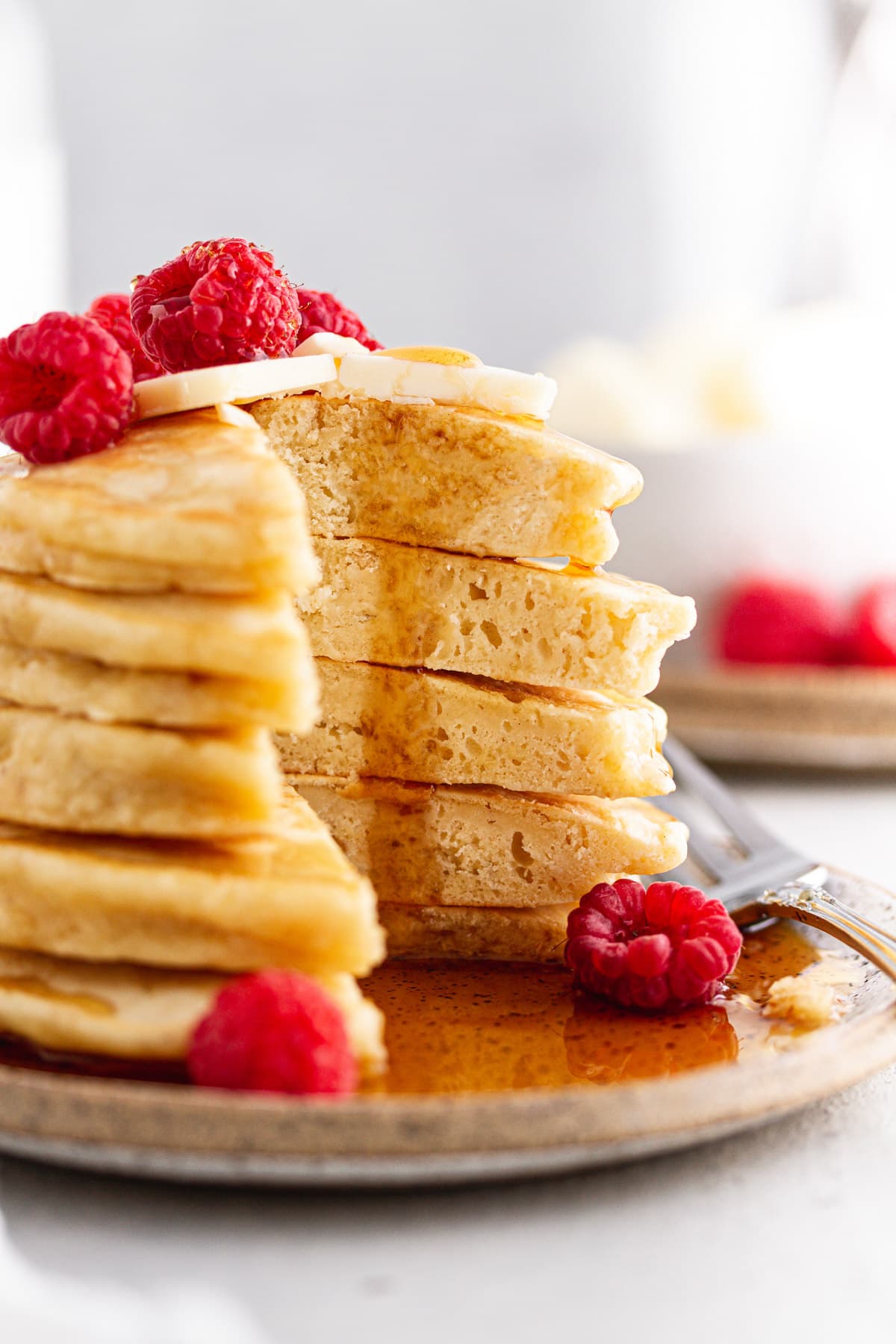
Sourdough Pancakes

Sourdough Blueberry Muffins

Sourdough Waffles

Easy Sourdough Focaccia

Sourdough Cinnamon Rolls
Quick Sourdough Discard Recipes That Work with Any Discard
These recipes are the most forgiving in your discard rotation. Because they rely on commercial yeast for their rise, the age of your discard mostly affects flavor and texture rather than structure. Fresh discard gives you a milder, softer result; older discard adds more tang and chew. Both are delicious — it just depends on what you have on hand.
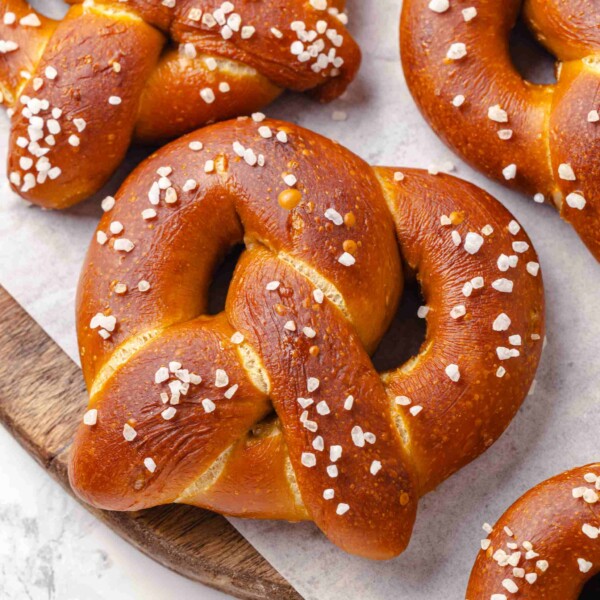
Sourdough Pretzel Recipe

Sourdough Biscuits
Sourdough Chocolate Chip Cookies

Sourdough Discard Pizza Dough
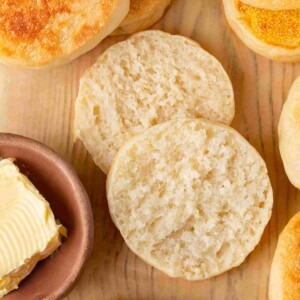
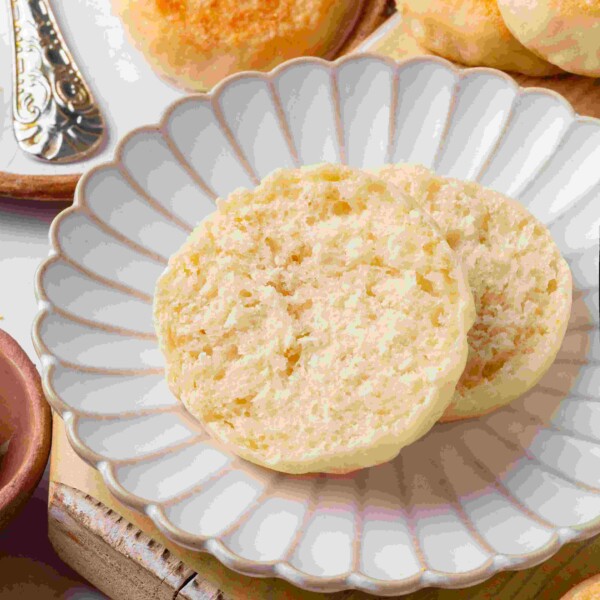
Sourdough English Muffins
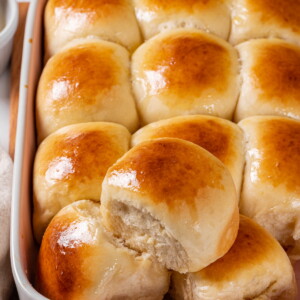
Sourdough Dinner Rolls
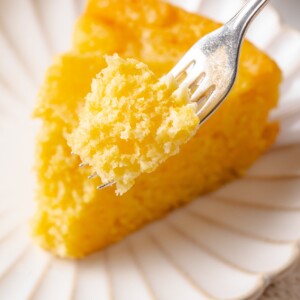
Sourdough Cornbread
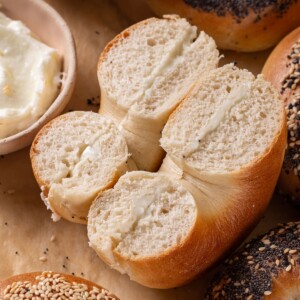
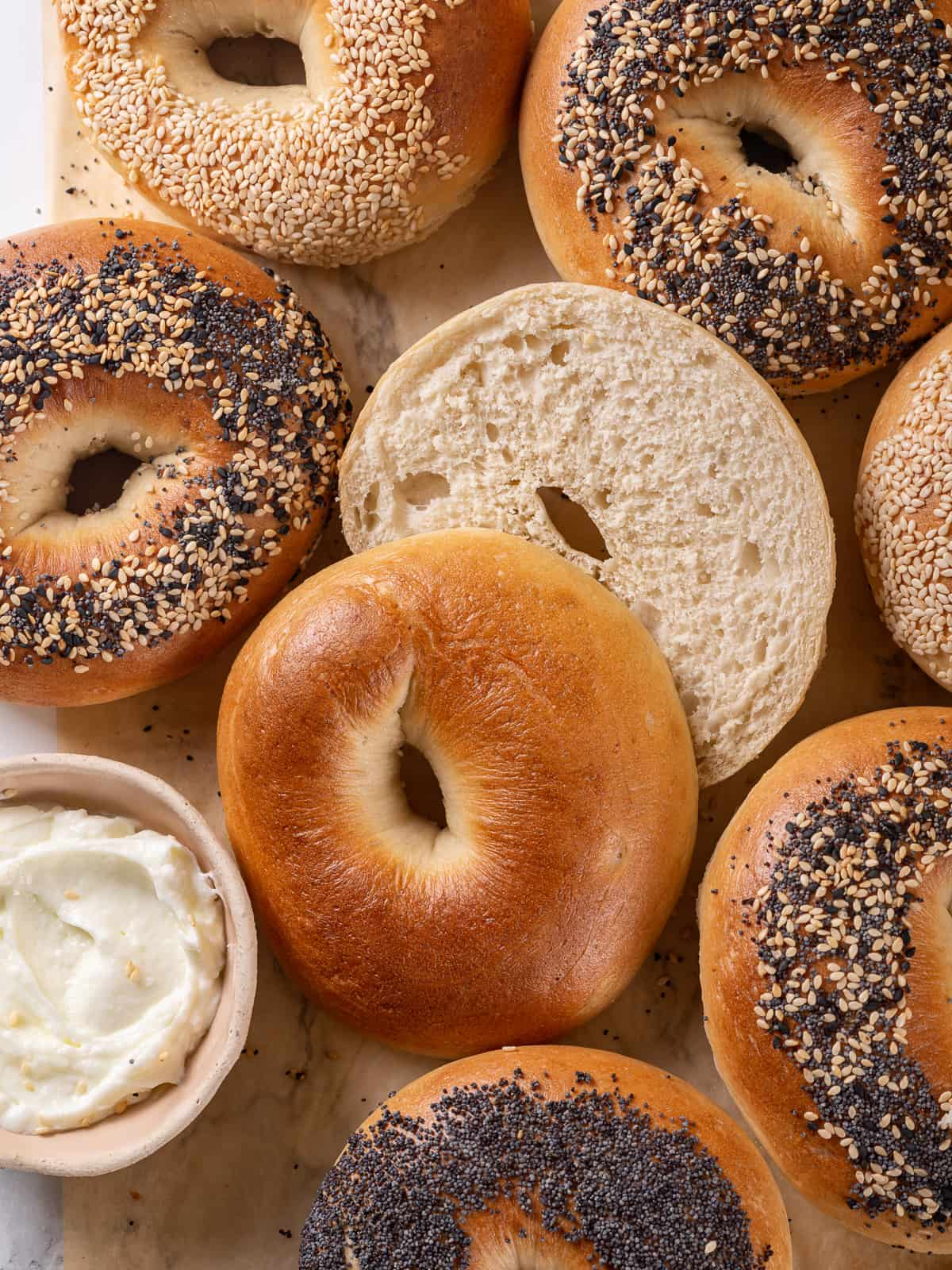
Sourdough Discard Bagel Recipe

Sourdough Crêpes
(Unfed for Weeks or Months)Best Sourdough Discard Recipes for Old or Refrigerated Discard
Don’t throw out that jar in the back of your fridge. These recipes were specifically tested with discard that hadn’t been fed in weeks — and in most cases, it made no noticeable difference at all. No leavening worries, no texture trade-offs. This is where old discard earns its keep.

Sourdough Discard Crackers
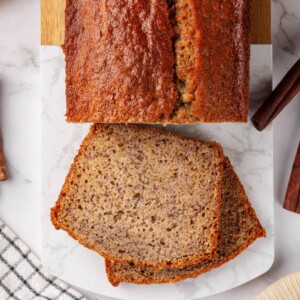
Sourdough Banana Bread Recipe
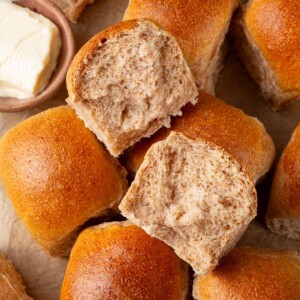
Whole Wheat Sourdough Rolls
Sourdough Discard Bagel Recipe
How to Use Sourdough Discard in Place of Active Starter
These are full sourdough bread recipes that call for active starter — but with a little patience (and sometimes a teaspoon of instant yeast), recently fed discard works beautifully. I’ve included notes on each recipe for exactly how to make the swap. For the most consistent results, use metric measurements rather than volume when substituting.
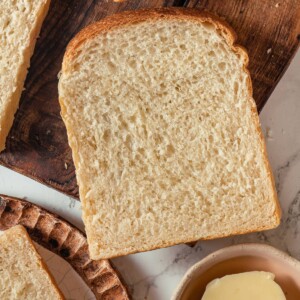
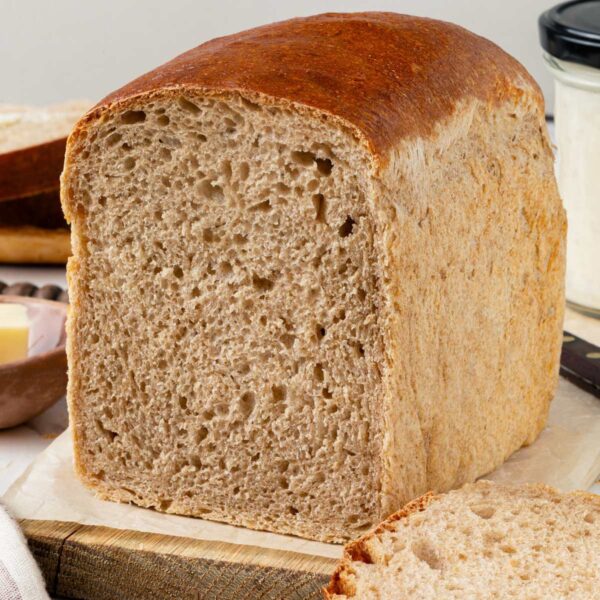
Sourdough Sandwich Bread
The recipe for sourdough sandwich bread calls for active sourdough starter used at its peak. But, I have also included instructions in the post for using sourdough discard and for speeding up both options by adding a teaspoon of instant yeast. Using older discard without additional yeast will increase the needed proof times and will impact the flavor. I preferred it made within one day because the flavor more closely resembles that of my white sandwich bread recipe.

100% Whole Wheat Sourdough Bread
This 100% whole wheat sourdough bread recipe makes soft, flavorful and healthy bread with just 4 ingredients! The levain in the recipe is not 1:1, so if you are feeding your starter equal parts flour and water, you might consider using double the amount of discard in place of the sourdough starter in the levain build. You could also substitute discard for all the levain with 2 tablespoons additional water.

Sourdough Bread Recipe
This is an easy sourdough bread recipe for beginners that makes a crusty loaf of bread with a big, open crumb. You can either use discard to build the levain the night before making the bread or you can substitute discard for the entire amount of the levain called for in the recipe. You will need to be patient either way – the bread will take the time it takes to rise!

No-Knead Sourdough Bread
This no knead sourdough bread recipe makes a chewy loaf of sourdough bread with minimal effort. The starter build for this recipe is purposefully low hydration. As such, I recommend substituting double the amount of discard for the active starter in the starter build rather than substituting discard directly into the bread recipe.
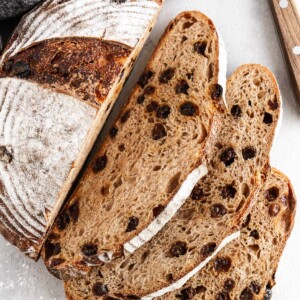
Cinnamon Raisin Sourdough Bread
This cinnamon raisin sourdough bread has a wonderful chewy, slightly sour interior with a crunchy, craggy crust! The recipe for the levain calls for whole wheat flour. Because of that, I do recommend using sourdough discard to build the levain rather than skipping straight to making the bread with discard.

Sourdough Bread Bowl
This sourdough bread bowl is perfect for using sourdough discard because the biga rests for 12 hours, so even cold discard from the fridge has time to become active. Do not substitute discard for the biga itself.
A Pastry Chef’s Method for Adapting Any Bread Recipe to Use Sourdough Discard
For the most accurate and best results, you should use the metric measurements to adapt standard bread recipes to sourdough. I never write bread recipes based on volume measurements. If I want the recipe to be convenient for a home baker who doesn’t own a kitchen scale, then I will make adjustments after my initial draft. Then, through testing, I will make sure they work. Bread is a science and sometimes science doesn’t fit nicely into cups and tablespoons.
- Identify the composition of your sourdough starter. Most likely it will either be equal parts flour to water (100% hydration) or it will be 125% (125 g water to 100 g flour). Any hydration percentage is fine, as long as you know what it is! If you feed your starter will-nilly without a scale, then you have some experimentation to do and your results will be inconsistent.
- Decide how much starter you are going to add to the recipe. A safe place to start is with 200 grams (approximately 1 cup) of active starter for every 3 cups of flour. You might need to add a few different types of flours together to get the total flour amount. The weight of the 3 cups will also depend on the type(s) of flour.
- Copy the recipe you want to transform into sourdough into a new note, document or however you work! Add the amount of active starter to the recipe that you determined in Step 2. Write out the flour and water measurements in that starter to the side. This is determined by the composition of your starter (Step 1).
- Subtract the flour and water measurements from the ingredients in your bread recipe. You are reducing the flour and water quantities in the recipe to accommodate the specific composition of your starter. This makes sure you keep the same overall hydration of the dough consistent with the original recipe.
- This gives you a great starting point, which might be perfect, but there will be some testing and experimentation. This is especially true if you are trying to use different combinations! I mean of whole grain flours, different liquid ingredients (water vs. milk) or adding large quantities of ingredients that hamper fermentation, like garlic, tomatoes, or cinnamon.
For example, I used this pizza dough recipe as the starting point for developing my sourdough discard pizza dough recipe. I started by reducing the flour and water by the amount in 200g of my sourdough starter, but I found that dough to be rather wet.
I adjusted in further tests, and I ended up with ¾ cup water (the original recipe has 1 ¼ cups) and 2 ½ cups Caputo flour (the original has 3 cups all-purpose flour). It is important to note that I tested the recipe in grams, while keeping in mind round volume measurements when adjusting.
Keep Baking with Your Discard
This post is updated regularly as new discard recipes are tested and published. If you want to be the first to know when a new recipe goes live, sign up for the GVD email list below.

If you’re ready to go deeper into sourdough, these are the best next steps:
• Just getting started? → Sourdough starter recipe
• Want to bake a full loaf? → Sourdough bread recipe for beginners
• Have a lot of discard? → explore all Sourdough Recipes on GVD
Pin this now to find it later
Pin It

I love that you sorted the recipes by discard stage; it is genuinely brilliant and something I’ve never seen done before. Already made the crackers with my weeks-old discard and they were so good! This is now my go-to reference every time I feed my starter.
I found this post because my sourdough discard was piling up during finals week and my social calendar wasn’t slowing down. I made the crackers last Monday, and the tang from refrigerated discard tasted really nice and intentional and made them stand out in the best way. I brought them to a wine and cheese night and got to explain to people sourdough and discard like three times because people wanted to make the recipe!